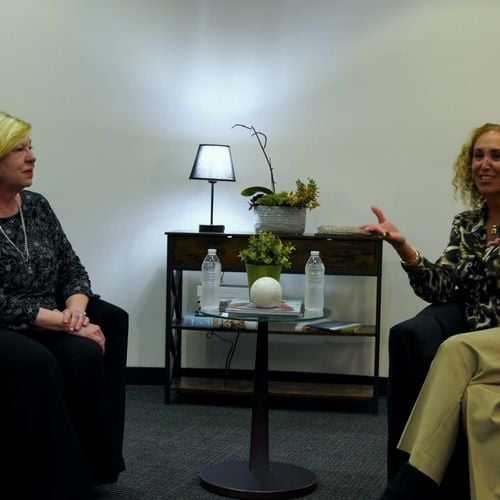
The short version is in the episode below. The written version, with the code sections quoted, follows.
Where a Trustee's Authority Actually Comes From
Authority to sell trust property comes from the trust document itself, not from a vote. If the trust grants the trustee power to sell, unanimous beneficiary consent generally is not required to move a sale forward. Think of the trust like a set of keys: the document decides which doors you can open. Nobody has to hand you permission at each one.
That is where most people stop reading, and it is exactly where trustees get into trouble.
Consent is not the gatekeeping step. That does not mean there is no gate.
The language matters more than the property does. A single-story in Laguna Niguel and a bluff house in Newport Coast get the same first question from me, and it is never about the house.
Can a Beneficiary Force a Trustee to Sell Property?
Generally no, and the reverse is also true. California trust beneficiary rights are real, but they are rights to information, to an accounting, to fair treatment, and to challenge a decision they believe was improper. They are not a veto. A beneficiary cannot ordinarily compel a sale, and cannot ordinarily block one either, when the trust grants the trustee that discretion.
What beneficiaries can do is scrutinize. That is the pressure most trustees underestimate.
| What the beneficiary wants to do | Usually possible? | What decides it |
|---|---|---|
| Block a sale they disagree with | No | The power of sale written into the trust, not a family vote |
| Force the trustee to sell | No | The discretion the trust gives the trustee |
| Request a copy of the trust terms | Yes | California Probate Code section 16061.5 |
| Ask how the administration is going | Yes | California Probate Code section 16060 |
| Petition the court over a suspected breach | Yes | Evidence that a duty was actually broken |
Not sure what your trust actually authorizes?
That is the question to settle before a listing agreement is signed, and long before a price goes on the property. We read trust language with trustees every week.
Schedule a Free ConsultationHow Long Can a Beneficiary Stop the Sale of a Property?
Not long, if the trustee has acted properly. The practical delay comes from disputes, not from rights. A beneficiary who believes the trustee breached a duty can petition the court, and that is what stretches a ninety-day trust property sale into a year of legal fees paid out of the estate.
The way to shorten that risk is not to move faster. It is to make the record so clean that there is nothing worth petitioning about.
I have written about the same problem from the other side of the table, where the objection is coming from a sibling rather than a lawyer: can a beneficiary stop the sale of a trust property.

The Four Duties That Do Not Go Away
Even with full authority to sell, a trustee still has to do four things. Act in the best interest of the beneficiaries. Obtain fair market value. Avoid self-dealing, which means no quiet sale to yourself, to a relative, to a business partner, or to anyone whose interests run through yours, at a friendly price. And keep beneficiaries reasonably informed about major decisions like a sale.
Two of those are written into the code almost word for word. California Probate Code section 16002(a) says the trustee "has a duty to administer the trust solely in the interest of the beneficiaries." Section 16060 is shorter still: the trustee "has a duty to keep the beneficiaries of the trust reasonably informed of the trust and its administration."
Skip those and a technically authorized sale can still turn into a fiduciary duty dispute, which is a subject of its own: can a trustee be sued for selling trust property.
Authorized is not the same as safe.
Do Beneficiaries of a Trust Have a Right to See the Trust Documents?
In California, yes, and this matters more than trustees expect. Probate Code section 16061.5 requires a trustee to provide "a true and complete copy of the terms of the irrevocable trust" to any beneficiary who requests it, once a revocable trust becomes irrevocable because a settlor has died.
Once beneficiaries can read the document, any gap between what it says and what you actually did becomes visible to them and to a judge.
So read it carefully first, before you sign a listing agreement. Some trusts do require beneficiary consent, or a co-trustee signature, before a sale can close. Discovering that clause after you have accepted an offer is an expensive way to learn it. It is the kind of paragraph that surfaces late, usually when escrow asks for something nobody had read.
What to Do Before You List
Three things, in this order. Whether the house is in Mission Viejo or Corona del Mar, the sequence does not change.
- Read the trust. All of it, including the paragraph about who has to sign. If the language is ambiguous, that is a question for your trust attorney, not a judgment call for you to make alone.
- Document everything. The appraisal, the listing decision, the offers you reviewed, the reasoning behind the one you chose, and the date you made it.
- Communicate with beneficiaries proactively, even when you are not legally required to. It is the single best way to avoid a dispute later, and it costs you nothing but a few emails.
Trustees who do those three things almost never end up in front of a judge. Trustees who assume their authority is enough are the ones who do.
Talk It Through Before You List
If you are a trustee weighing a sale in Orange County, book a free 15 minute call with Paula Aragone. She will walk your trust language with you and tell you exactly what needs to be documented before you list, so an authorized sale does not turn into a dispute later. No pressure and no obligation.
Book Your CallFrequently Asked Questions
Does a trustee need every beneficiary to agree before selling a trust property in California?
Usually no. When the trust document grants the trustee a power of sale, the trustee can move forward without unanimous consent. The exception is a trust that expressly requires beneficiary approval or a co-trustee signature, which is why the document has to be read before a listing agreement is signed.
Can a beneficiary sue a trustee for selling trust property?
A beneficiary can petition the court if they believe a fiduciary duty was breached. Having the authority to sell does not settle that question. What settles it is the record: the appraisal, the marketing, the offers considered and the reasoning behind the one accepted.
What happens if a trustee sells trust property to a family member?
That is where self-dealing claims start. California Probate Code section 16002 requires a trustee to administer the trust solely in the interest of the beneficiaries. A sale to yourself, to a relative, to a business partner, or to anyone whose interests run through yours invites scrutiny, and a below-market price makes it far worse.
Do beneficiaries have the right to a copy of the trust in California?
Yes. California Probate Code section 16061.5 requires the trustee to provide a true and complete copy of the terms of the irrevocable trust to any beneficiary who requests it, once a revocable trust becomes irrevocable on the settlor's death.
Stay Connected
Read the rest of the trust series on the Aragone & Associates blog.
Watch the episodes on YouTube.
Listen to the podcast on Spotify.
Blog article by Paula Aragone | CPRES · SRES® | Aragone & Associates
We maximize value and minimize stress. Strategy is what we do.
Call 949-415-4784 or email [email protected].
Disclaimer: we are not real estate attorneys, and nothing here should be treated as legal advice. We strongly recommend consulting qualified legal counsel about your own situation. If you do not currently have representation, reach out and we can connect you with one of our trusted attorneys.
Tags: trust real estate, trustee authority, beneficiary rights, selling trust property, California Probate Code, Orange County trust sale, successor trustee, fiduciary duty

Paula Aragone, founder of Aragone & Associates in Newport Beach. Twenty-three years in Orange County real estate, 900+ closed transactions and more than $900M in sales, with a law school background that shows up most in work like this. She holds CPRES, SRES®, Certified Luxury, Certified REO and Certified Relocation designations, and has guided hundreds of families, trustees, attorneys and professional fiduciaries through complex trust property sales.
Full bio · Instagram · LinkedIn
California DRE License #01008773 | 4 Corporate Plaza Suite 100, Newport Beach, CA 92660
Weighing a trust property sale in Orange County?
Bring the trust document. That conversation takes twenty minutes and saves months.
Call (949) 415-4784Schedule a Consultation