

10 Top Reno's That Will Up the Sale Price of Your Home
The ten renovations that up the sale price of your home, checked against the 2025 Cost vs Value and Remodeling Impact data. Most of the original returns held up or improved, but one big promise about adding space did not survive.
The renovations that up the sale price of your home the most are small and visible. In the 2025 Cost vs Value Pacific region data, a garage door replacement recouped 262 percent of its cost, a steel entry door 205.4 percent and a midrange minor kitchen remodel 129.1 percent, while a midrange major kitchen remodel returned 57.2 percent and a primary suite addition about 32 percent.[2] Paint is the project Realtors recommend most before listing.[4] Fix function first, and skip additions if you are selling soon.
- How Renovation Returns Are Measured, and What Changed Since This List First Ran
- 1. Painting: The First Renovation to Raise the Sale Price of Your Home
- 2. Garage Door Replacement: The Highest Return in the 2025 Data
- 3. A New Entry Door: Small Renovation, Large Return
- 4. Additional Square Footage: Why Adding Space Rarely Pays Before a Sale
- 5. Bathroom Addition: When the Count Matters More Than the Finish
- 6. Minor Kitchen Remodel: The Renovation With the Best Return Inside the House
- 7. Bathroom Remodel: Better Returns on the West Coast
- 8. Roof Replacement: Function Before Finish
- 9. Adding or Refreshing a Deck
- 10. Finished Basement, and the Orange County Equivalent
- Before You Hire Anyone: California License and Payment Rules
- How to Decide Which Renovations Will Up Your Sale Price
- Frequently Asked Questions
- Sources and How This Guide Was Written

When you are getting ready to sell, it is hard to know which renovations will get your home sold fastest and for the most money. Should you replace the furnace or redo the kitchen? Add a bathroom, or put the money into a new roof? And the question underneath all of them: how much of that money comes back in the sale price?
This list first ran with return figures pulled from articles of its time. I have rechecked every one of the ten against the 2025 Cost vs Value report and the 2025 Remodeling Impact Report from the National Association of Realtors and the remodeling industry. Where the old number held, it stays. Where it moved, you will see by how much. Where I could not verify it, it is gone.
Short version? The front of the house pays.
How Renovation Returns Are Measured, and What Changed Since This List First Ran
Every renovation list you will find online, including the first version of this one, leans on a single idea: spend a dollar on a project, get some share of that dollar back in the sale price. The share is called cost recouped or cost recovered, and it is the number that should decide whether a project belongs on your pre-listing list at all.
There are two national studies worth reading. The first is the Cost vs Value report published on JLC Online, which compares the average cost of 28 remodeling projects with the value those projects retain at resale across 119 U.S. markets[1]. It also breaks the results out by region, and Orange County falls in the Pacific region, so that is the column I watch[2]. The second is the Remodeling Impact Report from the National Association of Realtors and the National Association of the Remodeling Industry. Its cost figures come from a summer 2024 survey of NARI member contractors, with 177 responses, and its value figures from a survey of Realtors, with 4,005 responses, who estimated how much each project would add at resale[3].
The two studies do not always agree. That is useful, not a problem. When both say a project pays, I believe it. When they disagree, the honest answer is that the result depends on your house and your street.
The original numbers versus the 2025 data
The first version of this post quoted returns gathered from consumer articles of that era. Some of those figures held up. Others moved a lot. Here is the same list of ten, set against the most recent Cost vs Value edition I could find, which is the 2025 report[1][2].
| Project (as in the original list) | Return quoted originally | 2025 national, cost recouped | 2025 Pacific region, cost recouped |
|---|---|---|---|
| Painting | 100% or more | Not measured | Not measured |
| Garage door replacement | 98% | 268% | 262% |
| Entry door (steel) | 91% | 216% | 205.4% |
| Additional square footage (midrange primary suite addition) | 70% to 80% | 32% | 32.2% |
| Bathroom addition (midrange) | 60% | 53% | 57.5% |
| Minor kitchen remodel (midrange) | 81% | 113% | 129.1% |
| Bathroom remodel (midrange) | 70% | 80% | 91% |
| Roof replacement (asphalt shingles) | 68% | 68% | 76.2% |
| Deck addition (wood) | 70% | 95% | 102.5% |
| Basement remodel | 70% | 71% | 70.8% |
Two things jump out. The cheap exterior projects now return more than they cost, by a wide margin. And the one big promise in the old list, that added square footage gets back 70 to 80 percent, does not survive contact with the current numbers. A midrange primary suite addition recouped about a third of its cost in 2025, nationally and in the Pacific region alike[1][2].
These are averages, not appraisals. A Pacific region figure blends very different markets. In Newport Beach or Laguna Beach, land carries so much of the price that a $30,000 project moves the sale price less, in percentage terms, than the same project in a starter neighborhood. Treat the table as a ranking of what tends to pay, then test it against the comps on your own street.
1. Painting: The First Renovation to Raise the Sale Price of Your Home
Paint stays at the top of this list, though for a slightly different reason than the original post gave.
The first version said most painting jobs return more than 100 percent of their cost. I could not trace that figure to a current primary study, and neither of the two national reports measures a return on painting, so I am not repeating it. What the 2025 Remodeling Impact Report does measure is what agents tell sellers to do, and painting wins that vote clearly. Half of the Realtors surveyed, 50 percent, recommend painting the entire home before listing, and 41 percent recommend painting at least one interior room[4]. No other project in the survey came close.
That matches what I see on listing appointments. A buyer walking through on a Saturday open house does not know what your kitchen cost. They do notice scuffed hallway walls, the nail holes where the family photos hung, and the accent wall in the dining room that looked great in 2014. Fresh paint fixes all of that in a week, and it photographs better than almost anything else you can buy for the money.
Which colors, and which rooms
The original advice still holds: neutral and clean. A bedroom in a saturated color might suit you perfectly. It will not suit most of the people touring the house, and it makes the room look smaller in listing photos.
- Start with the rooms in the first five listing photos: the living room, the kitchen walls, the primary bedroom.
- Paint ceilings when they show water marks or yellowing. Buyers look up more than sellers expect, especially in older homes in Costa Mesa or Garden Grove where an old leak is the first thing an inspector will ask about.
- Do the trim and doors at the same time, so the fresh walls do not make the old trim look tired.
- Touch up exterior trim and the front door even if the body of the house does not need a full repaint.
- Skip specialty finishes. Limewash and dark moody palettes are a taste, and you are selling to the average of a lot of tastes.
If you only have budget for one thing on this list, paint is it. I have never had a seller tell me afterward that they regretted painting before going on the market.
2. Garage Door Replacement: The Highest Return in the 2025 Data
This is the project that changed the most since the original list, and it now leads both national studies for cost recouped.
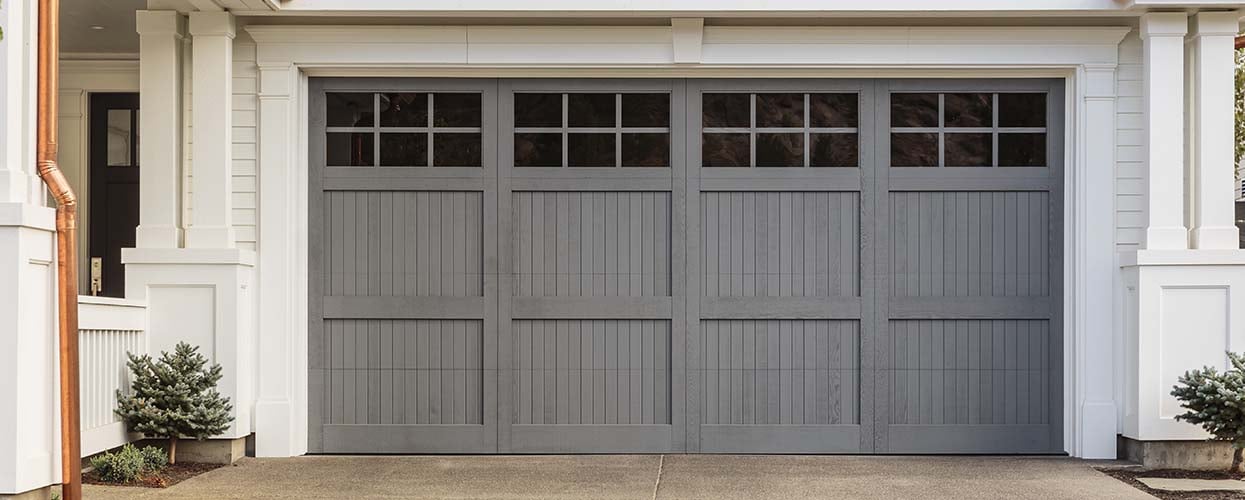
In the 2025 Cost vs Value report, a garage door replacement cost an average of $4,604 in the Pacific region and was estimated to add $12,063 in resale value, a return of 262 percent[2]. Nationally the result was nearly the same at 268 percent[1]. The original post said you would likely get close to all of your money back. The current figure says you get more than twice your money back, on average.
Why does a garage door outperform a kitchen? Look at a typical Orange County tract home from the street. In plenty of neighborhoods in Irvine, Tustin, Mission Viejo or Huntington Beach, the two or three car garage takes up a large share of the front elevation. It is the biggest single surface in the listing’s hero photo, and if it is dented or faded, it tells the buyer something about how the rest of the house was kept, fairly or not.
A new door is a quick job and it fixes a first impression for the whole drive up.
When I would not bother
If your garage door is in good shape, a professional cleaning and a fresh coat of paint on the frame gets you most of the way there. The return figure assumes the old door actually needed replacing. Swapping a sound door for a slightly nicer one is spending, not investing.
And keep in mind the garage door is part of the larger curb appeal picture the original post described. Trimmed landscaping, fresh mulch, new potted plants at the entry and a clean driveway support it. A new door in front of a dead lawn does not do much.
3. A New Entry Door: Small Renovation, Large Return
The front door is the item on this list where both national studies agree almost perfectly in direction, even if not in size.
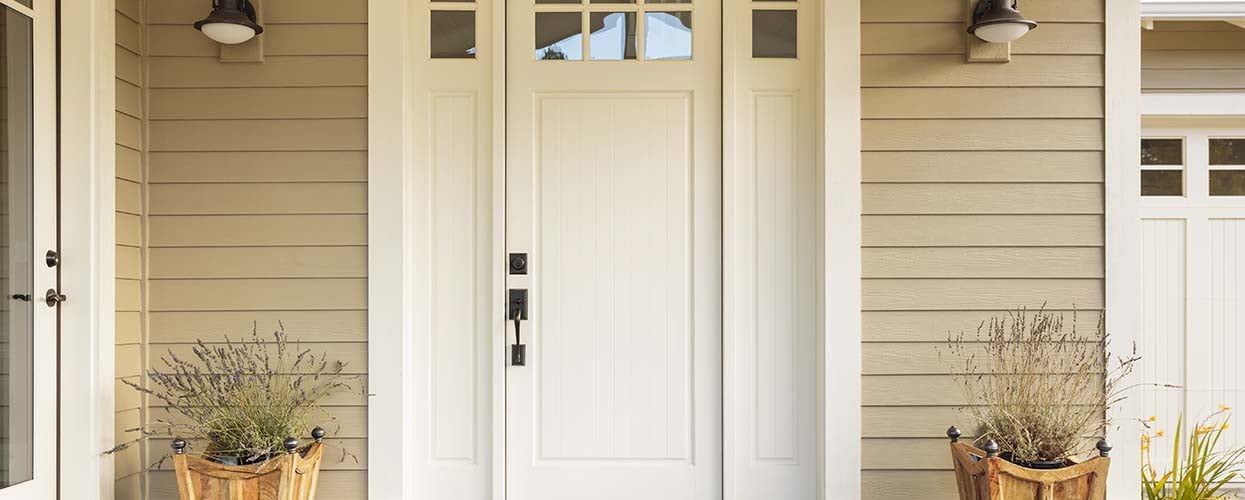
Cost vs Value put a steel entry door replacement at $2,545 in the Pacific region, with a resale value of $5,228, which is 205.4 percent of cost recouped[2]. The NAR and NARI study came out more conservative, estimating that a new steel front door recovers 100 percent of its cost, and a new fiberglass front door 80 percent[4]. Even the cautious estimate says you get your money back. That is a short list.
The original advice on style still applies: pick a color that blends with the facade and keep the lines clean. A few practical additions from walking buyers up to a lot of front doors:
- Replace the hardware with the door. A new slab with an old, loose handle undoes the point.
- Check that it closes without a shove. Buyers notice a door that sticks, and in coastal Orange County, salt air is hard on hinges and finishes.
- Light the entry well. A dim porch light makes a new door look like an old one in evening showings and twilight photos.
- Do not over-spend on a statement door. Cost vs Value also measures a fiberglass grand entrance, which cost $12,429 in the Pacific region and returned 83.7 percent[2]. Nice, but the plain steel door returns far more per dollar.

4. Additional Square Footage: Why Adding Space Rarely Pays Before a Sale
This is where I disagree most with the original version of this post.
The first version said adding a room or two would get back 70 to 80 percent of the investment. It also cited a 2005 study for the National Association of Realtors about added square footage raising sale prices by 30 percent or more. I could not locate that study, so I have dropped the claim rather than repeat it. What I could verify points the other way.
In the 2025 Cost vs Value report, a midrange primary suite addition cost $185,431 in the Pacific region and returned 32.2 percent at resale. The upscale version cost $390,895 and returned 18.6 percent[2]. An accessory dwelling unit, which many California owners now consider instead, cost $181,004 and returned 38.8 percent[2]. The Remodeling Impact Report was kinder to a new primary suite, at 54 percent of cost recovered, but it still puts the owner well under water[3].
So, my position: if you are selling within the next year or two, do not add square footage to raise your price. You will be paying for months of permits and construction to hand most of the money to the buyer.
When adding space does make sense
There are honest exceptions. If you are staying five more years and you need the room, build it for yourself and accept that the resale return is a bonus. And if your home is clearly smaller than the comparables on your street, a buyer will notice, and pricing will reflect it. In that case the conversation with your agent is about pricing the home correctly against bigger houses, not about rushing an addition.
One more caution. If a past owner added space without permits, that addition can become a problem in escrow. I wrote about how that plays out in selling a house with unpermitted work in Orange County.
5. Bathroom Addition: When the Count Matters More Than the Finish
The original post made a point I still agree with: if your home has one fewer bathroom than the typical home in your neighborhood, buyers will treat it as a weakness, and some will not even book a showing.
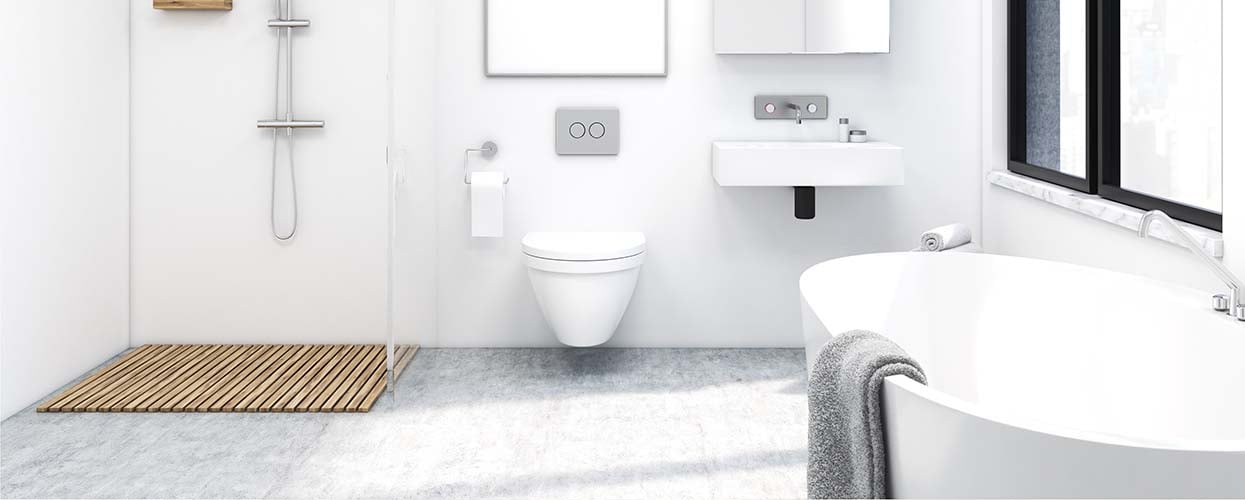
Where I part ways is on the conclusion that adding a bathroom is the logical financial move before you sell. A midrange bathroom addition cost $65,326 in the Pacific region in 2025 and recouped 57.5 percent of that cost[2]. The national figure was 53 percent[1], and the Remodeling Impact Report estimate was 56 percent[3]. Three different numbers, one message: you get back a little over half.
That can still be the right call. A three bedroom, one bath house in Fountain Valley or Westminster competing against three bedroom, two bath homes down the block loses buyers at the search filter stage, before anyone sees the kitchen. In that narrow situation, the addition can help the home sell at all, which a cost recouped percentage does not capture.
Do your research first, the way the original post suggested. Pull the bathroom count on every comparable sale within a half mile over the past six months. If you are at the norm, put the money somewhere else. If you are one short, get a contractor’s bid and a permit timeline before you decide, because a half finished bathroom during your listing period is worse than none.
6. Minor Kitchen Remodel: The Renovation With the Best Return Inside the House
The original advice on kitchens was right, and the 2025 data makes it stronger: a minor kitchen remodel is one of the best renovations you can do to up the sale price of your home, and a major one is one of the worst.
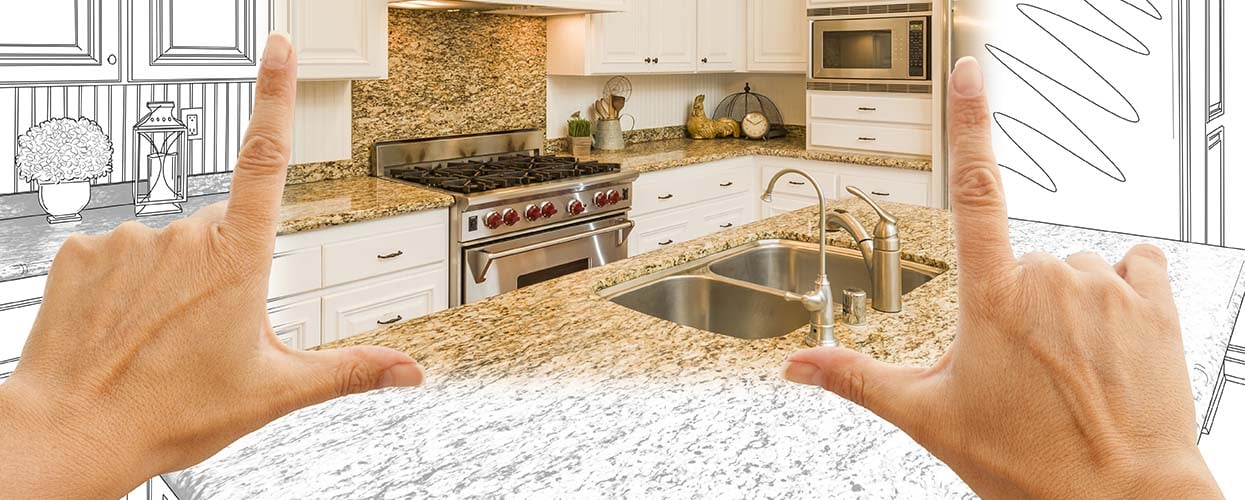
A midrange minor kitchen remodel cost $29,728 in the Pacific region and returned 129.1 percent of its cost[2]. A midrange major kitchen remodel cost $86,480 and returned 57.2 percent. An upscale major remodel cost $171,950 and returned 38.8 percent[2].
| Kitchen project, 2025 | Pacific job cost | Pacific resale value | Pacific cost recouped | National cost recouped |
|---|---|---|---|---|
| Minor remodel, midrange | $29,728 | $38,384 | 129.1% | 113% |
| Major remodel, midrange | $86,480 | $49,467 | 57.2% | 51% |
| Major remodel, upscale | $171,950 | $66,778 | 38.8% | 36% |
Sources: Cost vs Value 2025, Pacific region and national averages[1][2].
The original post put the cost of a minor kitchen remodel at around twenty to twenty five thousand dollars. The current Pacific average is closer to thirty thousand, and in Orange County I would budget above that average rather than below it.
What a minor remodel usually covers
In practice, a minor kitchen refresh before listing tends to mean new countertops, refaced or painted cabinet fronts with new hardware, a new sink and faucet, updated light fixtures, and sometimes one or two appliances if the existing ones are visibly dated or mismatched. The cabinet boxes and the layout stay where they are. Moving plumbing or walls is what turns a minor job into a major one, and that is where the return falls off.
Agents agree on the demand side. In the Remodeling Impact Report, 48 percent of Realtors said they had seen increased demand for kitchen upgrades[4], and 30 percent recommended a kitchen upgrade to sellers before listing[3].
The kitchen trap. Sellers who gut a kitchen right before listing usually make two mistakes at once. They spend at a 57 percent return, and they pick finishes for their own taste, which the next owner may rip out. If the kitchen works and is clean, refresh it and stop.
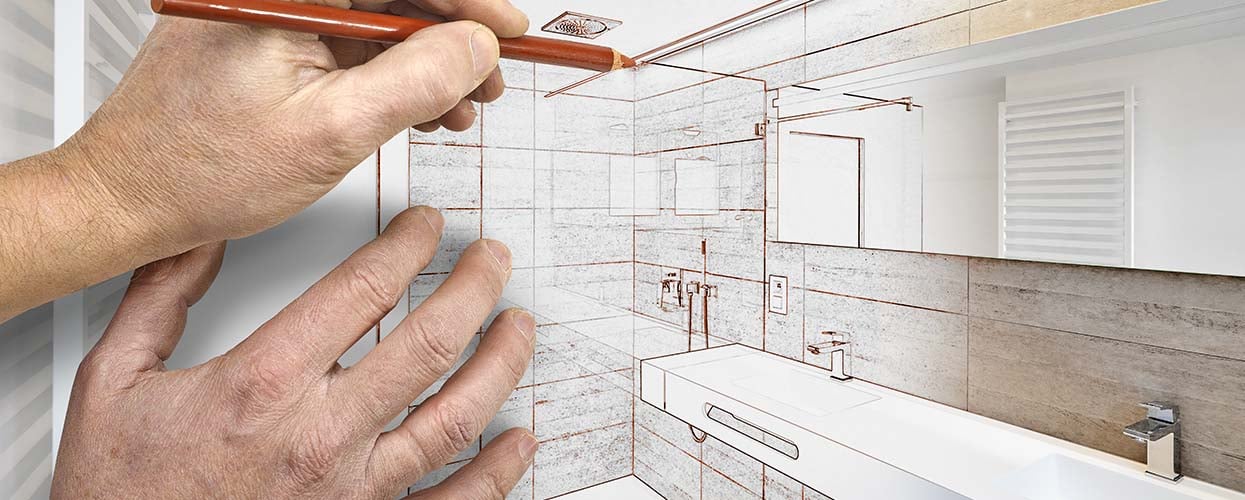
Not sure which projects your house actually needs?
Paula will walk the property with you and tell you which renovations are worth doing before you list and which ones to skip.
7. Bathroom Remodel: Better Returns on the West Coast
If your bathroom count already matches the neighborhood, remodeling the bathroom that needs it most is a reasonable use of money, as the original post said. The current numbers are better than the 70 percent it quoted, at least for midrange work.
A midrange bathroom remodel cost $27,710 in the Pacific region and returned 91 percent at resale in 2025, against 80 percent nationally[2][1]. An upscale bath remodel was a different story: $86,863 in cost and 44.5 percent recouped in the Pacific region[2]. The Remodeling Impact Report put a bathroom renovation at 50 percent of cost recovered[3], and 35 percent of Realtors said they had seen more demand for bathroom renovations[4].
The spread between those figures tells you how to scope it. Midrange, done well, comes close to paying for itself on the West Coast. Upscale, done before a sale, does not.
Tub or shower?
The original advice was to give up the tub in favor of a walk in shower, as long as at least one tub remains somewhere in the home. I still agree. Families with young kids want a tub. Everyone else, in my experience, cares more about a generous shower in the primary bath. Keep one tub in the house and you have covered both buyers.
A good midrange bath refresh before listing tends to include a new vanity and top, new fixtures, regrouted or new tile in the shower, a new mirror and lighting, and fresh caulk everywhere. Buyers notice a moldy caulk line faster than they notice the brand of the faucet.
8. Roof Replacement: Function Before Finish
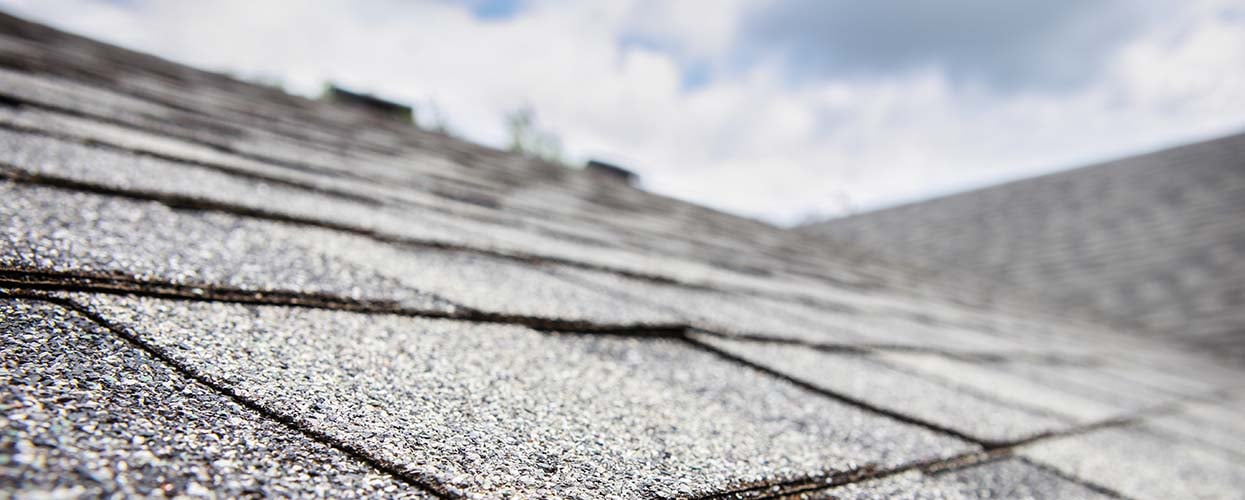
The original post said a new roof might only recoup close to 70 percent, but that a worn out or leaking roof can scare buyers off and leave the house sitting. Both halves of that are still true.
An asphalt shingle roof replacement cost $36,391 in the Pacific region in 2025 and returned 76.2 percent of its cost; the national figure was 68 percent[2][1]. A metal roof cost $62,152 and returned 51 percent in the Pacific region[2]. Agents rate the roof highly anyway. In the Remodeling Impact Report, 37 percent of Realtors recommended new roofing before selling, and 43 percent had seen more demand for it[4].
That gap between the cost recouped and the agent recommendation is the whole point. A roof is not about return. It is about whether the deal survives inspection. A buyer who sees a roof with a few years left will either ask for a large credit or walk away, and a buyer’s lender or insurer may ask questions of their own.
My advice: get a roof inspection before you list, not after a buyer orders one. If the roof is near the end of its life, you have three options to compare with your agent: replace it, price the house to reflect it, or offer a credit. Which one wins depends on the market you are selling into and how many other homes the buyer is choosing between. In a slow market, a new roof is a reason to pick your house. In a fast one, a credit may be cheaper.
As the original post put it, replace the roof before the kitchen countertop if the roof is the one in poor condition. Function first.
9. Adding or Refreshing a Deck
Southern California sells outdoor space, and the deck numbers reflect it.
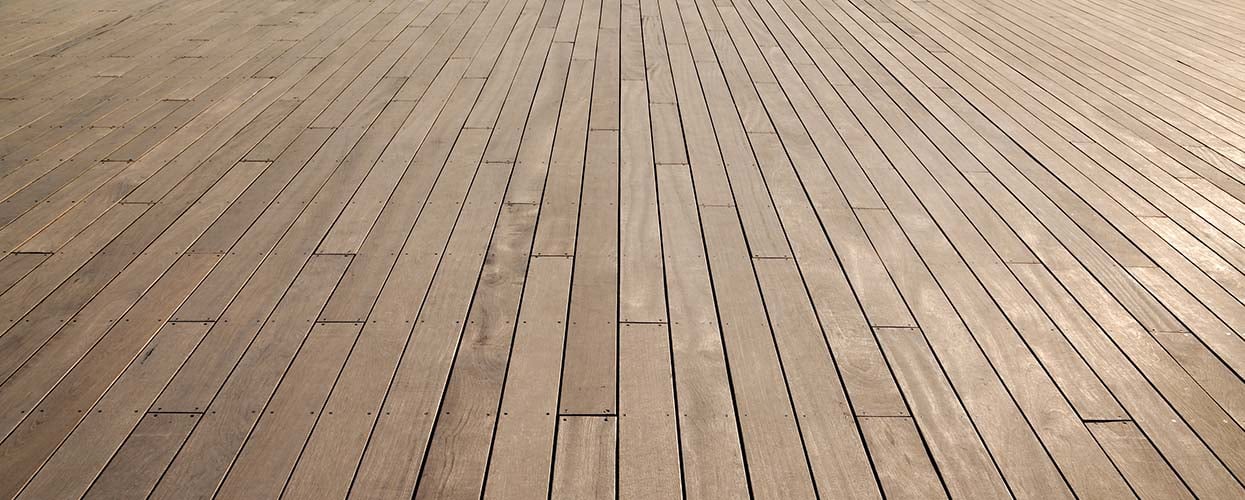
A wood deck addition cost $18,405 in the Pacific region in 2025 and returned 102.5 percent; a composite deck cost $26,891 and returned 74.1 percent[2]. Nationally, the wood deck came back at 95 percent[1]. The original post estimated close to three quarters of the cost back, so this item improved.
The original advice holds here too. If you already have a deck, replacing soft boards and resealing may be all it needs, and that is a few hundred or a few thousand dollars rather than eighteen thousand. A deck with soft boards or a wobbly railing is an inspection item and a safety question. A clean, solid deck with two chairs and a plant on it becomes a listing photo.
I am less keen on large hardscape projects right before a sale. Cost vs Value measured a backyard patio at $54,965 in the Pacific region, with 45.8 percent recouped[2]. That is a project to do because you want to use it.
10. Finished Basement, and the Orange County Equivalent
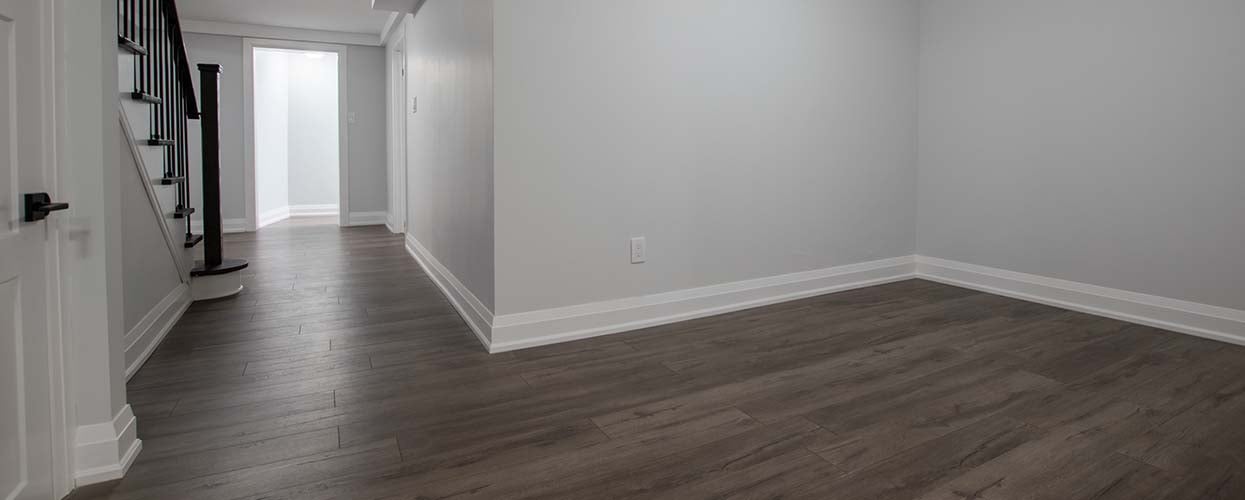
The original list closed with finishing a basement, at a 70 percent return. The 2025 data agrees almost exactly: a basement remodel cost $55,483 in the Pacific region and returned 70.8 percent, and 71 percent nationally[2][1]. The Remodeling Impact Report put converting a basement to living area at 71 percent as well[3].
Here is the local reality, though. Most Orange County homes do not have a basement. Slab construction is the norm in the tract neighborhoods of Irvine, Lake Forest, Mission Viejo and Rancho Santa Margarita, and a below grade level is unusual outside some custom and hillside homes. So for most of my sellers, this item translates into a different question: is there underused space that a buyer would count as living space?
The Remodeling Impact Report measured an attic conversion to living area at 67 percent of cost recovered[3]. A garage conversion is the other common idea, though I would be careful there: the garage is often worth more to an Orange County buyer as a garage, and any conversion has to be permitted to count.
The original post cited a home design article recommending that owners spend no more than 10 percent of the home’s value on finishing a basement. I could not confirm that guidance from a primary source, so I have left it out. What I would say instead is simpler: do not spend more on converting space than the comps show buyers pay for it.
Before You Hire Anyone: California License and Payment Rules
The renovations that raise a sale price can also delay one, and the delay almost always comes from the paperwork side.
California changed the line for unlicensed work on January 1, 2025. Under Assembly Bill 2622, a person without a contractor’s license can now take on a job only if the total contract price, labor and materials included, is less than $1,000 (up from $500), and only if they do not hire workers and no building permit is needed[5]. Anything that needs a permit or a crew needs a licensed contractor in the right classification[5]. That covers most of what is on this list: a roof, a bathroom, a deck, a kitchen with any plumbing or electrical work.
The Contractors State License Board also advises that a down payment should not exceed 10 percent of the contract price, and that later payments should not exceed the value of the work completed or materials delivered[5]. Sellers on a deadline are the people most tempted to pay ahead to secure a start date. Do not.
- Decide what the house needs before you call anyone. Walk it with your listing agent first. The point is to fix what buyers will object to, not to remodel.
- Get a pre-listing inspection if anything big is in doubt. Roof and plumbing surprises are cheaper to learn about now than in escrow.
- Verify the license. Check the contractor’s license status and classification with the CSLB before signing.
- Ask about permits in writing. If the job needs one, the permit should be pulled before work starts and closed before you list.
- Keep the down payment at or under 10 percent. Pay later installments against finished work only.
- Collect the paperwork. Invoices, permits, warranties and product information go in a folder for the buyer. A buyer who sees a permitted roof with a transferable warranty negotiates differently.
- Set a hard finish date before photos. Listing photos, the pre-marketing period and the launch date all depend on it.
Unpermitted work rarely stays quiet. It comes up in disclosures and inspections, and it can cost you more at the negotiating table than the project added. See what happens when you sell with unpermitted work before you let anyone talk you out of a permit.
How to Decide Which Renovations Will Up Your Sale Price
The original post ended with advice I would not change a word of in spirit: when selling your home, you have to think like a buyer. You are probably about to be one again, so you know what matters when you walk into a house.
A beautiful kitchen will not make up for a broken furnace or a leaking roof. One beautiful bathroom will not make up for too few bathrooms. Most buyers plan to make their own changes after they move in, so they are buying structure and function first and your taste a distant second.
Here is the order I walk sellers through.
- Fix what will fail inspection. Roof, leaks, electrical, water heater, anything a buyer’s inspector will write up in red.
- Clean and paint. The project Realtors recommend most, for good reason[4].
- Fix the front of the house. Garage door, entry door, trimmed landscaping, house numbers, porch light. This is where the 2025 returns are highest[2].
- Refresh, do not replace, the kitchen and baths. Midrange and minor, with permits where needed.
- Skip additions unless your home is clearly short of the neighborhood norm and the timeline allows it.
- Price against the comps once the work is done, not against what you spent.
The percentage you get back depends on more than the project. It depends on the price of your home, the price of the neighborhood around it, the city, and how hot the market is when you list. A garage door in a $900,000 Garden Grove home and the same garage door on a Corona del Mar property do different amounts of work.
For more on choosing upgrades by price point, read home upgrades that add value before you sell your Orange County home. If you are on the coast, should I renovate before selling my home in Newport Beach goes deeper on the luxury end, and how much it costs to sell a house in Orange County will help you set the renovation budget against everything else on your net sheet.
Keep in mind that the renovation is only part of the price. Pricing and how the offers are handled move the final number at least as much, which is the argument I make in how to sell your house for the most money.
Frequently Asked Questions
Which renovations add the most value when selling a home?
In the 2025 Cost vs Value data for the Pacific region, the top returns came from small exterior projects: a garage door replacement recouped 262 percent of its cost and a steel entry door 205.4 percent. Inside the house, a midrange minor kitchen remodel led at 129.1 percent.[2] Painting is not measured in that report, but it is the project Realtors recommend most often before listing.[4]
Is it worth renovating a house before selling it?
Small, targeted work usually is. Large projects usually are not. Repairs that would fail inspection tend to pay off, and so does fresh paint. Additions and upscale remodels returned well under half their cost in the 2025 Pacific region data, so I would not start one if you plan to list within a year or two.[2]
Should I remodel my kitchen before selling?
Refresh it, do not gut it. A midrange minor kitchen remodel returned 129.1 percent of cost in the Pacific region in 2025, while a midrange major remodel returned 57.2 percent and an upscale major remodel 38.8 percent.[2]
Does adding a bathroom increase home value?
It adds value, but it rarely pays for itself. A midrange bathroom addition recouped 57.5 percent of its cost in the Pacific region in 2025.[2] It makes sense mainly when your home has fewer bathrooms than the typical comparable sale nearby.
Should I replace my roof before selling my house?
If the roof is near the end of its life, deal with it before a buyer’s inspector does, either by replacing it or by accounting for it in the price. An asphalt shingle replacement returned 76.2 percent in the Pacific region in 2025,[2] and 37 percent of Realtors recommend new roofing before listing.[4]
Does painting a house increase its value?
Neither national study puts a percentage on painting, but agents recommend it more than any other project: 50 percent of Realtors in the 2025 Remodeling Impact Report recommend painting the entire home before selling, and 41 percent recommend painting at least one interior room.[4]
Do I need a licensed contractor for pre-sale repairs in California?
For most of them, yes. Since January 1, 2025, unlicensed work is limited to jobs under $1,000 in total labor and materials, with no hired workers and no building permit required. Anything larger, or anything needing a permit, requires a licensed contractor.[5]
How much should I pay a contractor up front?
The Contractors State License Board advises that a down payment should not exceed 10 percent of the contract price, and that later payments should not exceed the value of the work completed or materials delivered.[5]
Are these renovation returns accurate for Orange County?
They are regional averages, not local appraisals. The Pacific region figures are the closest published match, but in high priced coastal areas like Newport Beach or Laguna Beach, land is a large share of value and the same project moves the price less in percentage terms. Check any project against recent comparable sales on your own street.
Sources and How This Guide Was Written
Every return figure in this guide was read from the 2025 Cost vs Value report pages and the 2025 Remodeling Impact Report while the update was being written. The original article’s figures and its secondary sources could not be matched to current primary data, so they were replaced or dropped.
- Cost vs Value Report 2025, national averages for 28 remodeling projects across 119 U.S. markets, with cost and resale figures, published on JLC Online. View the report
- Cost vs Value Report 2025, Pacific region cost and resale figures for each project, shown alongside the national averages. View the Pacific data
- National Association of Realtors and National Association of the Remodeling Industry, 2025 Remodeling Impact Report (April 2025), including recovered project cost estimates and Realtor recommendations before selling. Read the report
- National Association of Realtors, press release of April 9, 2025, Top Remodeling Projects for Homeowner Satisfaction and Cost Recovery Revealed in NAR Report. Read the release
- Contractors State License Board press release of December 30, 2024 on Assembly Bill 2622, raising the unlicensed handyperson limit to $1,000 from January 1, 2025, with consumer payment guidance. Read the release
Remodeling costs and returns change every year and vary by market. Confirm current pricing with licensed contractors and check any project against recent comparable sales before you commit.
Stay Connected
New posts every week on selling and pricing Orange County homes. Subscribe to the blog or listen to the podcast on Spotify. You can also find Paula on Instagram and YouTube.
Paula Aragone
Aragone & Associates
949-415-4784 | [email protected]
Paula Aragone, CA DRE #01364746
Aragone & Associates | First Team Real Estate, CA DRE #01008773
4 Corporate Plaza Dr #100, Newport Beach, CA 92660
This article is general information about renovating a home before a sale and is not legal or financial advice. Costs and licensing rules vary, so confirm the details with licensed professionals before you start a project.
Tags: renovations that increase home value, home improvements before selling, cost vs value 2025, best ROI renovations, minor kitchen remodel ROI, garage door replacement ROI, selling a home in Orange County, pre-listing repairs

Paula Aragone
Aragone & Associates | First Team Real Estate
Paula has spent 23 years in Orange County real estate, with more than 900 transactions and over $900 million in sales behind her. She holds the CPRES, SRES, Certified Luxury and Certified Relocation Specialist designations, is a member of Luxury Portfolio International, and went to law school before building her practice around probate, trust, divorce and luxury property.
Planning to sell and wondering what to fix first?
Send Paula a few photos or invite her for a walkthrough. She will tell you which projects will show up in your sale price and which will only show up in your costs.