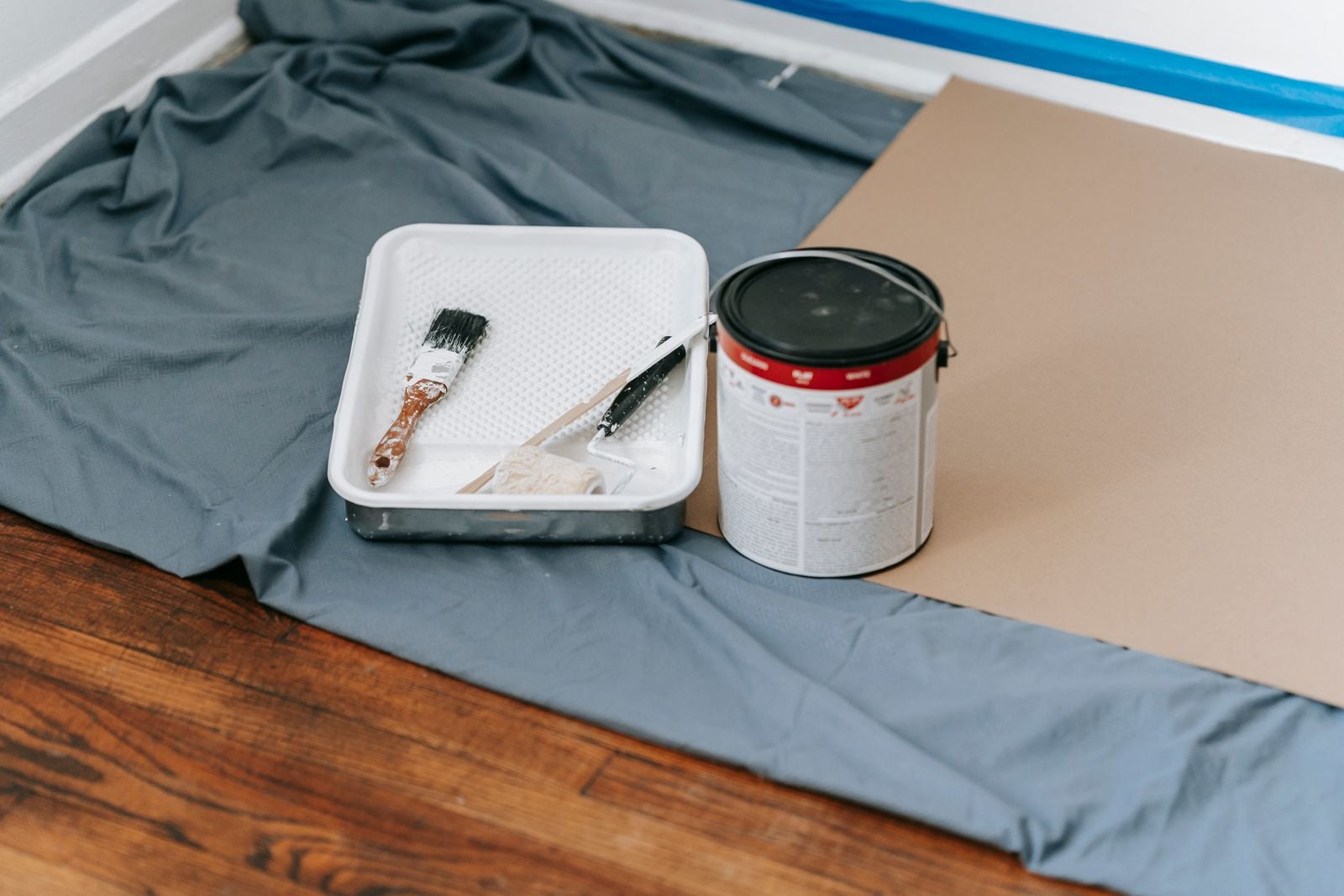
The home upgrades that add value before you sell are the ones a buyer sees and feels in the first ninety seconds: paint, lighting, the kitchen, the primary bathroom and curb appeal. Nationally, Realtors recommend painting the entire home before listing more than any other project, and even a complete kitchen renovation recovers only about 60 percent of its cost at sale.[2] Roofs and wiring protect your price rather than raise it. Some improvements also add to your tax basis under IRS Publication 523, while painting does not.[1]
- The Home Upgrades That Consistently Pay Off
- What the National Remodeling Data Actually Shows
- Paint and Lighting Before a Partial Kitchen
- What a New Roof Actually Buys You
- California Requirements That Apply Whether You Renovate or Not
- The IRS Keeps a Different List Than Your Buyer Does
- Which Home Improvement Trends Actually Carry Return
- Home Upgrades That Are Not Worth the Money Before Selling
- Where the Money Actually Goes
- Best Home Upgrades for Resale Value Depend on Your Orange County Neighborhood
- Permits, Old Work and the Inspection You Cannot Skip
- Walk the Property Before You Spend a Dollar
- Frequently Asked Questions
- Sources and How This Guide Was Written
Most sellers spend money on the wrong things. The list of home upgrades that add value before a sale is far shorter than the internet suggests, and the gap between spending strategically and spending broadly is the gap between leaving money on the table and getting what the property is worth.
Not everything you fix pays you back. Some projects are worth every dollar you put into them. Others are a waste of your money and, just as expensive, a waste of the weeks before listing.
This guide is the version I walk through with Orange County sellers at their kitchen table. It separates offensive spending from defensive spending, puts some real national numbers on the table, covers the handful of things California makes you deal with whether or not you renovate, and explains why the IRS keeps a very different list of improvements than your buyer does.
The Home Upgrades That Consistently Pay Off
The renovations that reliably return money are the ones buyers see and feel immediately. Kitchens. The primary bathroom. Fresh paint. Curb appeal.
Those are the things that decide how someone feels in the first ninety seconds of a showing, and how someone feels in the first ninety seconds is what sets the number they are willing to write. That is the whole logic. Buyers do not price what a home needs in the abstract. They price what they register on the walk through, and they do it fast, usually before they have opened a single closet.
I call this offensive spending. It is money aimed at the price itself, and it only works if the buyer notices it without being told. A new water heater in the garage is a fine thing to own. Nobody has ever raised an offer because of one.
Why the first ninety seconds carry so much weight
Think about how a Saturday of showings actually goes for a buyer in Orange County. They see four or five houses, often in two different cities, and by the drive home they have collapsed each one into a single impression. The bright one. The one with the kitchen they would have to gut. That impression is what they bring to the conversation with their agent about price, and very little that happens after the front door changes it.
So the useful question for any project is simple: will a buyer register this in the first minute without anyone pointing at it? If the answer is yes, it belongs on the offensive list. If the answer is no, it might still be worth doing, but for a different reason and from a different budget.
- Fresh, neutral interior paint throughout the main living areas
- Lighting that makes every room read as bright and finished, including the rooms that go dark at four in the afternoon
- A kitchen that looks cared for, which is often a refresh rather than a renovation
- A primary bathroom with clean surfaces and no visible wear at the shower
- A front yard and entry that make someone want to get out of the car
What the National Remodeling Data Actually Shows
The most useful national data on this question comes from the National Association of Realtors and the National Association of the Remodeling Industry, which publish a joint Remodeling Impact Report. The 2025 edition paired a cost survey of NARI member companies with a survey of 4,005 NAR members.[2]
Two findings matter for a seller. The first is what agents tell their clients to do before listing. The second is how little of a large remodel comes back at sale.
| Project | Share of Realtors recommending it before selling |
|---|---|
| Paint the entire home | 50% |
| Paint one interior room | 41% |
| New roofing | 37% |
| Kitchen upgrade | 30% |
| Bathroom renovation | 24% |
Paint sits at the top of that list by a wide margin.[2] Agents recommend it because it is cheap relative to its effect and because it can be done in the window between deciding to sell and going live.
Now look at cost recovery. In the same report, a complete kitchen renovation and a minor kitchen upgrade were each estimated to recover 60 percent of their cost at sale, and a bathroom renovation 50 percent.[2] Those are the projects people assume will pay for themselves. On a national average, they do not.
| Project | Estimated cost recovered at sale |
|---|---|
| New steel front door | 100% |
| Closet renovation | 83% |
| New fiberglass front door | 80% |
| New vinyl windows | 74% |
| Complete kitchen renovation | 60% |
| Minor kitchen upgrade | 60% |
| Bathroom renovation | 50% |
How I read those numbers for Orange County
National averages are a starting point. The report's cost assumptions were built around a 2,300 square foot home in good condition with standard materials,[2] which describes some Orange County tract homes well and a Newport Coast estate not at all. What the data does tell you, clearly, is the shape of the problem: big projects started for resale tend to return less than they cost, and small visible ones return more relative to what you spent. That matches what I see in practice.
It also explains why a kitchen can still be worth doing. Sixty cents on the dollar is a loss on the project, but if a tired kitchen is the reason a house sits for six weeks and then takes a reduction, the comparison is no longer the project against zero. It is the project against the reduction.
Paint and Lighting Before a Partial Kitchen
Here is where I will argue with most of the lists you will find online. If your budget only stretches to one real project, I would put it into paint and lighting before I would put it into a partial kitchen.
A half-updated kitchen reads as a compromise, and buyers price compromises.
Paula Aragone
A freshly painted, well lit house with an honest older kitchen reads as a home somebody took care of, and buyers pay for that. I have watched it go the other way in a few listings where the kitchen was so far gone that nothing else registered, so this is a judgment call rather than a law. But it is the way I lean, and I lean that way most of the time.
The partial kitchen is where sellers get hurt most often. New counters on old cabinets. New appliances next to a backsplash from another decade. Each piece is fine on its own, and together they tell the buyer exactly where the money ran out. The buyer then mentally prices finishing the job, and that number is always bigger than the one you spent.
What a lighting pass usually includes
Lighting is the cheapest offensive project I know. In practice it means replacing dated fixtures in the entry and kitchen, and making color temperature consistent from room to room so one space does not glow yellow next to a blue white one. Then add light to the corners that photograph dark. Listing photos make this even more important, because the first showing now happens on a phone screen.
A quick test before you spend anything. Walk the house at the hour your showings will happen, usually late morning or early afternoon on a weekend, with every light on. Any room that still feels dim on a sunny day in Huntington Beach or Irvine is a room that will feel worse in the photos.
What a New Roof Actually Buys You
Structural and mechanical work sits in an entirely different category. A new roof, updated plumbing, refreshed electrical, a furnace with years left on it: none of these add value the way a kitchen does. What they do is remove a reason for a buyer to walk away or to come back at you with a lower number.
That is still worth something. A failed inspection can cost far more in renegotiation than the repair would have cost you up front, and it costs it at the worst possible moment, when you have already emotionally spent the proceeds. But this is defensive spending, and it should be budgeted as defensive spending. Understanding that split is most of how to increase home value without burning the budget.
Interestingly, new roofing showed up third on the list of projects Realtors recommend before selling, ahead of any kitchen work.[2] I read that as agents trying to protect the deal, which is exactly what a roof does.
One caveat I will put plainly. If the roof has real life left in it, I would not replace it just to be able to say it is new. Disclose its age and price it into the deal honestly. Let the buyer decide what that is worth to them.
Sellers routinely spend twenty thousand dollars to avoid a five thousand dollar credit.
Paula Aragone
Repair or disclose
For every defensive item there are really only two honest choices. You fix it before listing, or you disclose it and let the price carry it, often through a credit negotiated after inspection. Which one is right depends on whether the problem will scare off buyers before they ever make an offer. An active roof leak with stained ceilings does that. A twenty year old furnace that still runs does not. I would repair the first and disclose the second almost every time.
A pre-listing inspection helps you make that call with facts instead of guesses. It also means the buyer's inspector is less likely to surprise you in the middle of escrow, which is when surprises are most expensive.
California Requirements That Apply Whether You Renovate or Not
A few pre-sale items are not upgrades at all. California requires them, and handling them early keeps them from turning into last minute escrow tasks.
Smoke alarms
Under Health and Safety Code section 13113.8, a single-family dwelling that is sold must have an operable smoke alarm approved and listed by the State Fire Marshal, and the seller must give the buyer a written statement that the property complies.[5] The statement can be part of the purchase paperwork or a separate document, and it has to be delivered before title transfers.[5] Checking every alarm costs almost nothing and takes an afternoon.
Water conserving plumbing fixtures
Civil Code section 1101.4 required owners of single-family residential property to replace noncompliant plumbing fixtures with water conserving ones on or before January 1, 2017.[3] Section 1102.155 then requires a seller to disclose that requirement in writing and to state whether the property still includes any noncompliant fixtures.[4] Older toilets and showerheads in a guest bath are the usual culprits in homes that have not been touched in a long time.
The bathroom remodel that triggers more work
This one catches sellers who pull a permit for a pre-listing project. Section 1101.4 also says that when a permit applicant alters or improves single-family residential property, all noncompliant plumbing fixtures must be replaced with water conserving fixtures as a condition of final permit approval.[3] So a permitted bathroom update can turn into a whole house fixture swap before the inspector signs off. Budget for it at the start rather than discovering it the week before photos.
Ask your inspector for a short list. When you order a pre-listing inspection, ask the inspector to flag smoke alarm coverage and any older plumbing fixtures alongside the usual roof and plumbing findings. Fixing them before listing is cheaper than doing it under an escrow deadline.
Rules like these change and local building departments add their own requirements, so treat this section as a checklist to raise with your agent and your inspector rather than the final word.
The IRS Keeps a Different List Than Your Buyer Does
This is the part almost nobody thinks about until their CPA brings it up in April, and in a county where a long held home can carry a very large gain, it matters.
According to IRS Publication 523, Selling Your Home, improvements are costs that add to the value of your home or prolong its useful life, and you add their cost to the basis of your property.[1] The same publication says you cannot include costs of repairs or maintenance that are necessary to keep your home in good condition, and it names interior and exterior painting as an example.[1]
Read those two lists next to each other and something odd falls out. The new roof that barely moves your offer price counts toward your basis. The fresh paint that may be the single highest returning thing you do counts as maintenance and does not.
| Publication 523 category | Examples it lists as basis increasing improvements |
|---|---|
| Additions | Bedroom, bathroom, deck, garage, porch, patio |
| Lawn and grounds | Landscaping, driveway, walkway, fence, retaining wall, swimming pool |
| Systems | Heating system, central air conditioning, furnace, ductwork, filtration systems, wiring, security system, lawn sprinkler system |
| Exterior | Storm windows and doors, new roof, new siding |
| Insulation | Attic, walls, floors, pipes and ductwork |
| Plumbing | Water heater, soft water system, filtration system, septic system |
| Interior | Built-in appliances, kitchen modernization, flooring, wall to wall carpeting, fireplace |
Source for the table: the improvements chart in IRS Publication 523.[1]
Sequencing matters
Publication 523 also notes that the entire job is considered an improvement when items that would otherwise be repairs are done as part of an extensive remodeling or restoration of your home.[1] That is why the order and scope of your projects is worth a conversation with your accountant rather than a guess. Paint done on its own is maintenance. Paint done as part of a full remodel may be treated differently.
When basis actually changes your tax bill
For many sellers it will not. Publication 523 lets you exclude up to $250,000 of gain on the sale of a main home, or $500,000 for a married couple filing jointly, if you meet the ownership and use tests, which generally means owning and living in the home for at least 24 months of the five years before the sale.[1] In Orange County, though, owners who bought decades ago often have gains well past those limits, and that is where every documented improvement starts to count. I covered the bigger version of this problem in downsizing in Orange County when the $500,000 tax break is not enough.
If you claimed an energy credit or received a subsidy for an energy related improvement and included its cost in basis, the publication says you must subtract those credits or subsidies from your basis.[1]
Keep every receipt. We are not accountants, and your CPA is the one who should make this call, but sellers who throw away invoices lose basis they were entitled to.
Not sure which projects are worth it for your home?
Paula will walk your property, tell you what your specific buyer will pay for, and tell you plainly what to skip. Fifteen minutes, no obligation.
Schedule a Free ConsultationWhich Home Improvement Trends Actually Carry Return
The skill worth having is telling which trends carry genuine return on investment and which ones only reflect the way you personally like to live.
The ones with staying power share a quality: broad appeal. Better lighting throughout the home. Simple smart home basics like a video doorbell or a smart thermostat. Energy efficient upgrades. Usable outdoor living space, meaning a redone patio or cleaned up landscaping rather than a showpiece. Nearly every buyer who walks in reads those as instant lifestyle, no explanation required.
Outdoor space deserves its own sentence in Orange County. Mild weather means a buyer in Mission Viejo or Costa Mesa reads a usable patio as another room, and a bare slab with a dead lawn as a project. That gap is often cheaper to close than anything inside the house.
Wellness upgrades are the clearest current example of the same split, because some of them are broad winners and others are very narrow bets. I went through that category in detail in the wellness features buyers now ask for, and the sorting rule there is identical to the one here.
Smart home and energy items: keep them simple
A smart thermostat or video doorbell is inexpensive, and buyers notice it during a showing. A whole house automation system tied to one brand's app is a different story, because the next owner has to reset it or rip it out. If a feature needs a tutorial at the showing, it is a personal preference, and personal preferences rarely get paid for.
Solar is its own category. Owned panels and leased panels are treated very differently in escrow, and a lease can complicate the transaction. If you have panels, sort out the paperwork on them with your agent before you add anything else to the roof.
Home Upgrades That Are Not Worth the Money Before Selling
The narrow bets are the ones tied to one very specific way of living. A home theater. A temperature controlled wine room. A full home gym. A highly personal hobby space.
These pay off only with the right buyer in the right property. In the wrong home they actively work against you, because they convert flexible square footage into a room most buyers mentally gut before they have reached the end of the hallway. When a buyer is doing demolition math during a showing, you are no longer selling at your number.
The same goes for bold finishes chosen right before listing. A dramatic tile or a saturated paint color: you will love it, and a large share of buyers will add it to the list of things they plan to change. Neutral is boring. It also sells.
Projects that start too late
Some projects are fine in principle and wrong in timing. Anything that needs a permit or a long lead time on materials can push your listing date past the season you wanted, and the cost of a missed month can exceed whatever the project adds. My rule is simple. If a project cannot be finished and inspected at least two weeks before photos, it does not belong in the pre-listing plan.
And then there is the project you are emotionally attached to. Every seller has one. Usually it is the thing you always meant to do while you lived there. Finishing it for the next owner is generous, but it is rarely a good use of the proceeds.
Where the Money Actually Goes
A quick reference for the projects sellers ask me about most. The third column is the one people skip, and it is the one that should drive the budget.
| Project | What it changes for the buyer | Type of spending | Adds to your tax basis? |
|---|---|---|---|
| Kitchen refresh | How the entire house reads in the first minute | Offensive | Yes. Pub 523 lists kitchen modernization |
| Primary bathroom | The room buyers photograph and remember | Offensive | Yes, as an improvement |
| Fresh interior paint | Turns a tired house into a cared for one | Offensive | No. Pub 523 calls painting maintenance |
| Curb appeal and landscaping | Whether they walk in already liking it | Offensive | Yes. Landscaping and walkways are listed |
| Better lighting | How every room in the house feels | Offensive, and the cheapest one here | Wiring is listed; ask your CPA about fixtures |
| New roof | Removes a reason to reopen the price | Defensive | Yes |
| Plumbing or electrical updates | Removes a reason to walk away | Defensive | Yes |
| Smoke alarms and older plumbing fixtures | Clears California sale requirements | Required | Ask your CPA |
| Home theater or wine room | Appeals to a narrow slice of buyers | Narrow bet | Often, though that is not why you would do it |
Basis treatment here follows the categories published in IRS Publication 523[1] and is general information, not tax advice for your situation.
Notice how few rows land in the offensive column with a small price tag. Paint and lighting are almost alone there. That is the whole argument of this guide in one table.
Best Home Upgrades for Resale Value Depend on Your Orange County Neighborhood
Here is the part a blanket list from the internet cannot tell you. What pays off depends on your specific home and on the buyer pool that shops your specific neighborhood.
A kitchen refresh that returns beautifully in one Orange County neighborhood can be a break even two freeways away. The best home upgrades for resale value in a Laguna Niguel tract home, where the comps two streets over set your ceiling whether you like it or not, are not the same as the ones in a Newport Coast estate where there may be no true comp at all and the buyer is pricing a feeling rather than a spreadsheet.
Irvine is the sharpest illustration I can give you. In a village where a buyer can tour four near identical floor plans in a single Saturday, your dated kitchen is not being judged in isolation. It is being judged against the one on the next street that was redone in 2023, and that comparison happens in the car on the way home. A dated kitchen costs you more in Irvine than it costs almost anywhere else in the county.
Corona del Mar runs on the opposite logic. Lot position and outdoor living carry so much of the value that an interior project can be the wrong place to put the money entirely.
Price the ceiling before you price the project
Every neighborhood has a ceiling, the price the best recent comparable sold for. If your home is already close to it, renovation money has very little room to come back. If your home is well below it because of condition alone, that is where targeted work earns the most. A seller in a Tustin or Fountain Valley tract with three updated neighbors and one original kitchen, theirs, is in the second situation. A seller who already owns the nicest house on the street is in the first.
Nobody needs a perfect house to sell well. What you need is a short list of the things that change how a buyer feels walking through your door, funded properly. Then you need the discipline to leave the rest alone. I wrote about where that line sits for larger projects in should I renovate before selling my home in Newport Beach, and it is worth reading before you sign a contractor's estimate.
Permits, Old Work and the Inspection You Cannot Skip
Pre-listing work has a second risk that sellers rarely price in: it draws attention to work that was done before.
If a previous owner enclosed a patio or converted a garage without a permit, a new contractor may notice. So may the buyer's inspector, especially once fresh paint and new fixtures make the older work stand out. I would rather know about it before listing, while we still control how it is disclosed, than learn about it from a buyer's request for repair. If this applies to your home, read selling a house with unpermitted work in Orange County before you start anything new.
Permitted projects have their own trap, which is time. Final inspection depends on the building department's schedule, and as section 1101.4 shows, a permit can bring requirements that reach beyond the room you meant to touch.[3] Build those weeks into the calendar.
My position on this is firm. Cosmetic work that does not need a permit is where most pre-listing money should go. Permitted work before a sale is sometimes right, but only after you have a written scope and a realistic final inspection date in hand.
Walk the Property Before You Spend a Dollar
Before you commit to any renovation budget, walk the property with an agent who sells in your area and can price the outcome rather than admire the work. That single conversation routinely saves sellers tens of thousands of dollars in projects that were never going to come back.
What that walk should actually produce:
- A short list of offensive projects, ranked. Each one with an honest estimate of what it moves the price in your specific neighborhood.
- A separate list of defensive repairs, with a decision on each one. Repairing it now is one answer. Disclosing it and letting the price carry it is an equally legitimate one.
- The California items. Smoke alarms and older plumbing fixtures, which are sale requirements rather than choices.
- A hard stop on anything that fits none of those lists. Including the project you are emotionally attached to.
- A net sheet. So you can see what the prep spend does to your proceeds before you spend it rather than after.
- A receipt folder. Every invoice saved and labeled, so your CPA can decide what belongs in basis.
Every dollar of prep comes straight out of your net, which is why it also helps to know what selling an Orange County home actually costs before you commit to a project instead of after.
And once the house is ready, how you negotiate matters more than one more weekend of projects. I made that case in why negotiation beats staging. A well prepared house still needs someone who will hold the number.
Frequently Asked Questions
What home upgrades add the most value before selling?
The ones a buyer sees and feels in the first ninety seconds. Kitchens. The primary bathroom. Fresh paint. Curb appeal. Those four change the number a buyer is willing to write, because they change how the house feels before anyone has looked at a disclosure. Painting the entire home was the project Realtors most often recommended before selling in NAR's 2025 Remodeling Impact Report.[2]
Is a new roof worth it before selling a house?
A new roof rarely raises your price. What it does is remove a reason for a buyer to walk away or to reopen the number after inspection, which is worth real money in a renegotiation but is not the same thing as adding value. Budget it as defensive spending. If the roof has years of life left, I would price it into the deal honestly rather than replace it just to call it new.
Does a kitchen remodel pay for itself when you sell?
Usually not on its own. NAR's 2025 Remodeling Impact Report estimated that a complete kitchen renovation recovers about 60 percent of its cost at sale.[2] A kitchen can still be worth refreshing when its condition is the main reason a house would sit or take a reduction, but a full remodel started only for resale is a loss in most cases.
What home upgrades are not worth the money before selling?
The narrow bets tied to one very specific way of living. A home theater. A temperature controlled wine room. A full home gym. A highly personal hobby space. These pay off only with the right buyer in the right property, and in the wrong home they work against you, because they turn flexible square footage into a room most buyers mentally gut before they reach the hallway.
Do home improvements reduce capital gains tax when I sell?
Some of them do, by increasing your cost basis. IRS Publication 523 states that improvements which add to the value of your home or prolong its useful life get added to the basis of your property. The same publication says you cannot include costs of repairs or maintenance that keep the home in good condition, and it names interior and exterior painting as an example.[1] Keep the receipts and confirm the treatment with your CPA.
Is painting deductible or added to basis when selling a house?
On its own, no. Publication 523 treats interior and exterior painting as maintenance rather than an improvement. The exception is when painting is done as part of an extensive remodeling or restoration of the home, in which case the publication says the entire job is considered an improvement.[1]
Do I have to replace old toilets and showerheads before selling in California?
Civil Code section 1101.4 required single-family homeowners to replace noncompliant plumbing fixtures with water conserving ones by January 1, 2017,[3] and section 1102.155 requires the seller to disclose in writing whether the property still has noncompliant fixtures.[4] Replacing them before listing is usually simpler than explaining them.
What does California require for smoke alarms when you sell a house?
Health and Safety Code section 13113.8 requires a single-family dwelling that is sold to have an operable smoke alarm approved and listed by the State Fire Marshal, and the seller must give the buyer a written statement of compliance before title transfers.[5]
Should I renovate before selling my Orange County home?
Selectively, and only after somebody has priced the outcome rather than admired the work. A kitchen refresh that returns beautifully in one Orange County neighborhood can be a break even two freeways away. Walk the property with an agent who actually sells in your area before you commit a renovation budget, because that one conversation routinely saves sellers tens of thousands of dollars in projects that were never coming back.
Sources and How This Guide Was Written
Every figure and legal requirement in this guide was read from the source listed below while the guide was being written. The California code sections were read from california.public.law copies because the official legislature site was not reachable from the research environment, and the remodeling percentages are national survey estimates, not Orange County sale results.
- IRS Publication 523 (2025), Selling Your Home, which defines improvements, lists the improvements that increase basis, treats painting as maintenance and sets the $250,000 and $500,000 exclusion rules. Read the publication
- National Association of Realtors and National Association of the Remodeling Industry, 2025 Remodeling Impact Report, with the projects Realtors recommend before selling and estimated cost recovery by project. Read the report
- California Civil Code section 1101.4, which required water conserving plumbing fixtures in single-family residential property by January 1, 2017 and on permitted alterations. Read the statute
- California Civil Code section 1102.155, which requires a seller to disclose in writing the fixture requirement and whether the property has noncompliant plumbing fixtures. Read the statute
- California Health and Safety Code section 13113.8, which requires an operable smoke alarm in a single-family dwelling that is sold and a written compliance statement from the seller. Read the statute
Tax rules and survey figures change, so confirm current treatment with your CPA and your local building department before you rely on any of it.
Stay Connected
New posts every week on Orange County real estate and what buyers are actually paying for. Subscribe to the blog or listen to the podcast on Spotify. You can also find Paula on Instagram and YouTube.
Paula Aragone
Aragone & Associates
949-415-4784 | [email protected]
Paula Aragone, CA DRE #01364746
Aragone & Associates | First Team Real Estate, CA DRE #01008773
4 Corporate Plaza Dr #100, Newport Beach, CA 92660
This article is general information about preparing a home for sale and is not legal, tax, construction or financial advice. We are not real estate attorneys, accountants, contractors or tax advisers, and basis and capital gains treatment depends on your specific situation, so consult the appropriate licensed professional and verify any contractor estimate independently before you commit.
Tags: home upgrades that add value, how to increase home value, best home upgrades for resale value, selling a home in Orange County, pre-listing renovation, home improvement ROI, cost basis home improvements, Irvine, Laguna Niguel

Paula Aragone
Aragone & Associates | First Team Real Estate
Paula has spent 23 years in Orange County real estate, with more than 900 transactions and over $900 million in sales behind her. She holds the CPRES, SRES, Certified Luxury and Certified Relocation Specialist designations, is a member of Luxury Portfolio International, and went to law school before building her practice around probate, trust, divorce and luxury property.
Wondering which projects your home actually needs before it lists?
Send Paula the address and a few photos. She will walk the property with you and give you a ranked list of what to do and what to leave alone.
Call (949) 415-4784Schedule a Consultation