Last month a seller in Costa Mesa told me the back bedroom had always been there. The 1962 tract plans said otherwise, and so did the city. It was a patio, enclosed sometime in the eighties by an owner two transactions back, and nobody in the chain had ever written it down.
She was not hiding anything. She genuinely did not know.
That is the ordinary version of this problem, and it shows up far more often in Orange County than sellers expect, because so much of our housing stock went up between the mid fifties and the mid eighties and has been added to ever since. The question is almost never whether you can sell the house. It is what the work does to your price, your buyer pool, and your exposure after closing.
What Actually Counts as Unpermitted Work
The obvious one is the garage conversion. Eastside Costa Mesa and the older Huntington Beach tracts are full of them, two car garages turned into an office, a studio, a gym, or a fourth bedroom, usually with the garage door left in place so the street view still looks right.
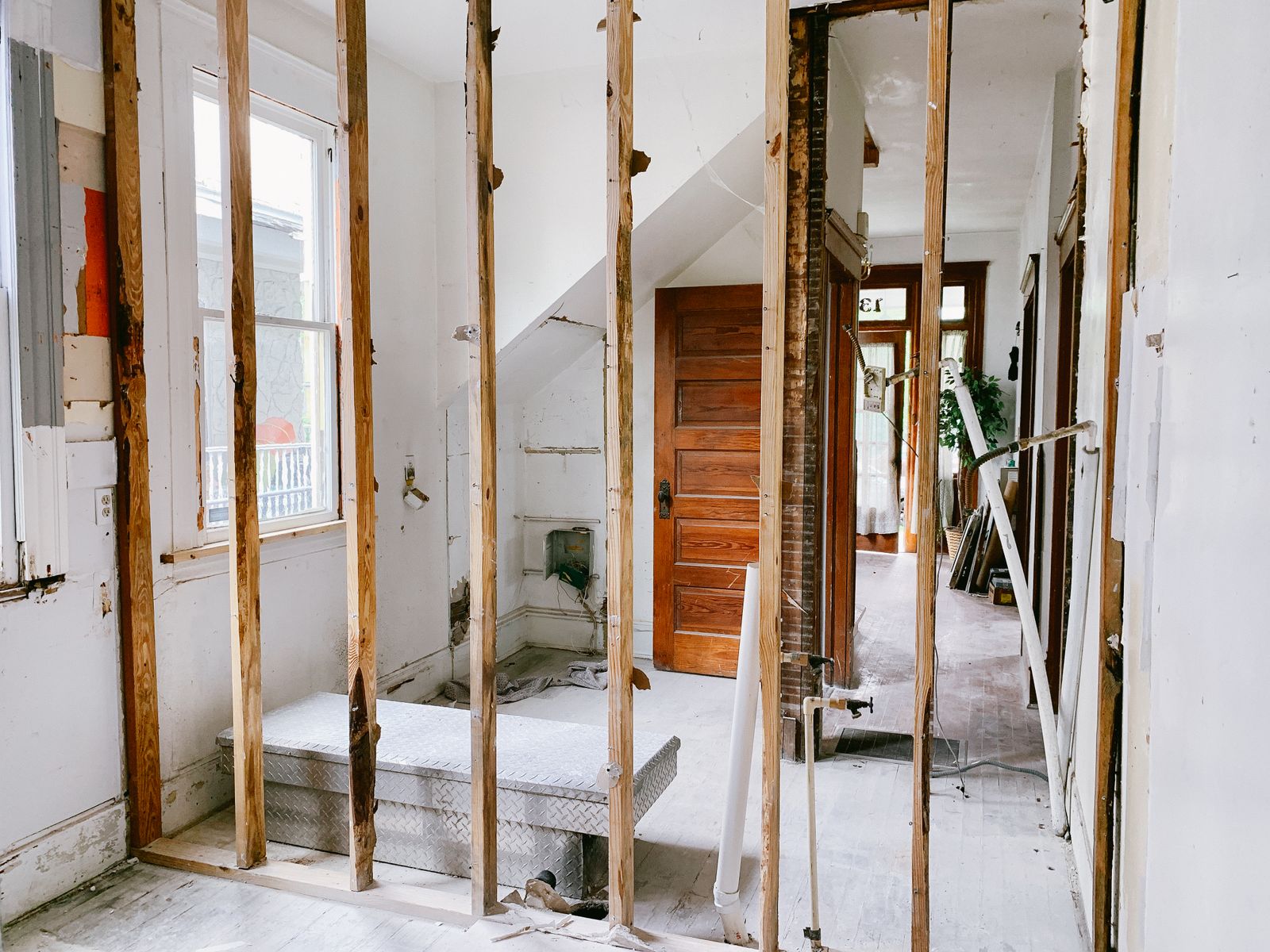
The list runs longer than that. A patio enclosed into a family room. A bathroom added off the primary bedroom. A water heater relocated. A sub panel added for a hot tub. A wall taken out between the kitchen and the living room, which is the one that worries inspectors most, because it may have been carrying load.
Then there is the category that catches people completely off guard: work that was permitted and never finaled. Somebody pulled the permit and did the work, then never called for the final inspection. On paper that permit is still open, sometimes twenty years later. The city's records show it, and a buyer's agent who pulls those records will find it before you do.
You Have to Disclose It, and That Part Is Not a Judgment Call
California does not leave this to interpretation. California Civil Code section 1102.6 sets out the statutory Real Estate Transfer Disclosure Statement and requires that the disclosures be made on a copy of that form. Part C of the form asks you, in two consecutive items, whether you are aware of room additions, structural modifications, or other alterations or repairs made without necessary permits, and whether you are aware of any that are not in compliance with building codes.
Those are yes or no boxes. There is no box for complicated.
What the form asks about is your awareness. You are answering from what you know, and you are not certifying the construction history of the property. That distinction matters more than sellers realize, and it is why the honest answer is usually easier than the one people talk themselves into. If you know the garage was converted, you check yes and you explain in the space provided. If you truly do not know whether the 1984 patio enclosure was permitted, you write exactly that.
Your Agent Is Not Required to Go Find It
This is the part almost nobody knows, including plenty of agents.
California Civil Code section 2079.3 defines the limits of the agent's statutory visual inspection. It states that the inspection does not include an affirmative inspection of areas off the site of the property, or of public records or permits concerning the title or use of the property.
Read that again. The inspection duty your listing agent owes you by statute stops at the property line, and it specifically carves out permit records.
I pull them anyway on any listing where the square footage in the tax record does not match the house I am standing in. The statute is still worth knowing, because it tells you where the responsibility actually sits. If you are quietly counting on somebody else to surface this before closing, the law does not assign that job to your agent, and it certainly does not assign it to the buyer.

Four Ways to Handle It Before You List
| Approach | What it involves | What it costs you | When it makes sense |
|---|---|---|---|
| Disclose and sell as is | Check the box, explain what you know, price the house accordingly | Usually a price adjustment and a smaller buyer pool | Most cosmetic conversions and older work you cannot easily open up |
| Legalize retroactively | Apply for a permit after the fact, open walls for inspection, bring the work to current code | Months rather than weeks, plus real construction cost, with no guarantee of approval | When the space changes the bedroom count, or the work involves gas or electrical |
| Reverse the work | Return the space to its permitted use, usually back to a garage | Demolition cost and a lost room | When a converted garage is costing you buyers who need the parking |
| Disclose and offer a credit | Full disclosure, then a negotiated credit toward the buyer's own permitting | Settled at the table, often less than doing the work yourself | When the buyer would rather legalize the space their own way |
Not sure which of these fits your house?
Every one of these choices moves your net differently. We can look at the permit record against the comparable sales, and at what your buyer pool actually cares about, before you commit to anything.
Schedule a Free ConsultationWhy Legalizing It Is Usually the Wrong Move
I will take a position here, because sellers ask me this constantly and a fence sitting answer helps nobody.
For most Orange County sellers, retroactive permitting is not worth it.
The reason is what the process actually requires. A permit pulled after the fact means the city has to see what is behind the drywall, which means opening finished walls, and once the wall is open you have stopped solving a paperwork problem and started a remodel to current code. Current code is not the code the work was built to. A seller who set out to correct a record can end up rewiring a room.
Old Towne Orange sharpens this. Inside the historic district, exterior changes draw an additional layer of review, so an owner who wants to legalize an enclosed porch is not dealing with a single department on a single timeline.
Now the exception, because there is always one. If the work involves gas lines or electrical, legalize it or take it out. I have seen cosmetic conversions go both ways and I think reasonable agents can disagree about those. Nobody should disagree about a sub panel somebody's brother in law wired in 1991. That is not a disclosure problem. That is a fire.
What It Does to Your Appraisal and Your Buyer's Loan
Here is where unpermitted work actually costs money, and it is rarely the disclosure itself.
An appraiser measuring your house compares the permitted record against what is physically there. Space added without permits generally does not get counted as finished living area in the main square footage figure. It tends to appear further down the report, valued well below the rest of the house.
The practical effect in a market like Mission Viejo, where buyers shop by bedroom count and school boundary, is that your four bedroom gets appraised as a three bedroom with a bonus room. The buyer may still love the house. The lender is funding against the appraisal, not against the buyer's enthusiasm.
Government backed loans apply stricter property standards than most conventional loans, so unpermitted space can quietly narrow the pool of people able to finance your house. If the appraisal lands under your contract price for this reason, the repair is the same as for any other low appraisal, which I have written about separately in why home appraisals come in low in Orange County. The same logic applies to other disclosure items buyers inherit with the house, including selling a house with solar panels, where the paperwork matters as much as the equipment.
What To Do Before You List
- Pull the permit history from your city's building department. Most Orange County cities will run a property record search for you in person or by email, and several have it online. Ask for everything, including permits that are still open or expired.
- Write down what you know, in plain language, before anyone asks you. Who did the work and roughly when. Whether a permit was ever mentioned at the time. If the honest answer is that you inherited the house and have no idea, that is also an answer, and it belongs in writing.
- Have a contractor or home inspector look specifically at gas lines, electrical, plumbing, and anything that might be carrying load. You are not correcting the paperwork at this stage. You are finding out whether anything is dangerous.
- Decide your approach before the listing goes live, rather than after an offer arrives. Changing course in the middle of escrow is what turns a disclosure into a renegotiation.
- Put it in the listing remarks. A buyer who knows about the converted garage before they write the offer will not be able to reopen the price over it later.
Frequently Asked Questions
Do I have to disclose unpermitted work when selling a house in California?
Yes. The statutory Real Estate Transfer Disclosure Statement required by California Civil Code 1102.6 asks sellers directly about room additions, structural modifications, or other alterations or repairs made without necessary permits, and about work not in compliance with building codes. You answer from what you actually know. You are not required to go investigate, but you cannot answer no to something you know is true.
Can I still sell a house in Orange County with unpermitted work?
Yes, and it happens every week. Unpermitted work is a disclosure item and a valuation item, not a legal barrier to selling. What changes is your appraisal and the size of your buyer pool.
Will an appraiser count unpermitted square footage?
Usually not as finished living area. Most appraisers will list the space separately and give it far less value than permitted square footage, which is why a converted garage rarely turns a three bedroom into a four bedroom on paper.
Should I get a retroactive permit before listing?
Often no. Legalizing older work can take longer than your listing window, and the city may require opening finished walls to inspect what is behind them. It is worth doing when the work involves gas or electrical lines, or when legalizing it would change the bedroom count that appraisers and buyers rely on.
Does my agent have to research the permit history for me?
No. California Civil Code 2079.3 states that the agent's required inspection does not include an affirmative inspection of public records or permits concerning the title or use of the property. A good agent will still help you pull the records. The statute simply means the duty to know starts with you.
Stay Connected
New posts on selling, probate, trust and estate property in Orange County, every week.
Paula Aragone
Aragone & Associates
949-415-4784
[email protected]
Aragone & Associates are real estate professionals, not real estate attorneys. This article is general information about California disclosure practice and is not legal advice. For guidance on your specific property, speak with a California real estate attorney.
Paula Aragone, CA DRE #01364746
Aragone & Associates | First Team Real Estate, CA DRE #01008773
4 Corporate Plaza Suite 100, Newport Beach, CA 92660
Tags: unpermitted work, seller disclosure, transfer disclosure statement, Orange County real estate, selling your home, garage conversion, building permits, home appraisal

Paula Aragone
Paula has spent 23 years selling Orange County real estate, with more than 900 transactions and over $900 million in sales. She holds the CPRES, SRES, Certified Luxury, Certified REO and Certified Relocation designations, and her background in law school shapes how she handles disclosure, probate, trust and divorce transactions.
Let's look at what your house is actually worth with the work disclosed
Bring the permit record, or bring nothing at all and we will pull it together. Either way you will know where you stand before the first buyer does.
Call (949) 415-4784Schedule a Consultation