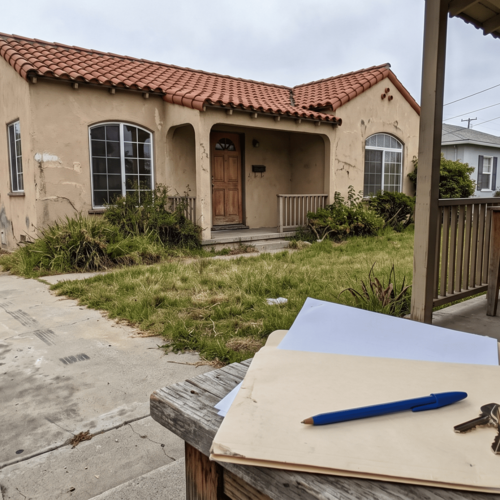
One of the most common calls trustees receive sounds something like this: the house sold, escrow closed, so why haven't they received their money yet? If you are a trustee, you have probably been asked that question more than once. If you are a beneficiary, you may have wondered the exact same thing. It is a fair question. After all, the property sold, the buyer moved in, and the transaction is complete. So where is the money?
The Sale and the Trust Administration Are Two Separate Things
One of the biggest misconceptions families have is that when escrow closes, the beneficiaries immediately receive their inheritance. In reality, the sale of the property and the administration of the trust are two separate things. When escrow closes, the proceeds from the sale are typically transferred into a trust account or an account designated by the trustee and legal counsel. The money does not usually go directly from escrow to beneficiaries, because the trustee still has responsibilities to fulfill. The property has been sold, but the trust administration may not be complete, and that is an important distinction. The sale closes. The trustee's responsibility continues.
Why the Gross Sales Price Is Not the Distribution Amount
Just because a property sold for a certain amount does not mean the entire amount is available for distribution. Before distributions can occur, numerous expenses may need to be paid or accounted for. The table below outlines the categories that typically reduce a gross sales price before any funds are available to distribute.
| Expense Category | When It's Typically Paid |
|---|---|
| Escrow, title, and transfer fees | Directly through escrow at closing |
| Real estate commissions | Directly through escrow at closing |
| Attorneys' fees | May be outstanding after closing |
| Utility bills and property tax adjustments | Often finalized after closing |
| Cleaning, staging, and repair invoices | May be outstanding after closing |
| Estate sale expenses | May be outstanding after closing |
| Accounting and tax preparation fees | Typically finalized after closing |
Many of these are paid directly through escrow. Others may still be outstanding after the transaction closes. The gross sales price is rarely the amount ultimately available for distribution, and this is one of the areas that creates the most confusion between trustees and beneficiaries.
Why Trustees Hold Reserves
Experienced trustees and attorneys frequently recommend maintaining reasonable reserves until all known obligations have been satisfied. There may still be outstanding legal fees, final accounting expenses, tax preparation costs, unpaid invoices, insurance obligations, or utility adjustments that have not yet been finalized. In California, trustees are often advised to consider potential supplemental property taxes, reassessments, and other post-closing obligations tied to Prop 19 that may not be fully known when escrow closes. A good trustee does not just distribute money. A good trustee makes sure there is enough money left to protect the trust.
What Typically Happens Between Closing and Final Distribution
- Escrow closes and proceeds are transferred into a trust account or an account designated by the trustee and legal counsel.
- Outstanding invoices are identified, including legal, accounting, repair, and staging costs not already settled through escrow.
- Tax exposure is reviewed, including potential supplemental property taxes or Prop 19 reassessments that may not be known at closing.
- A reserve is set aside to cover any obligations that surface after the sale.
- Final accounting is prepared and shared with beneficiaries for transparency.
- Distribution is made once the trustee is confident all known and reasonably anticipated obligations are covered.
Administering a trust with real property involved? Paula Aragone works alongside trustees and their attorneys throughout Orange County to help time the sale, manage proceeds, and avoid the pitfalls that delay distributions.
Schedule a Free ConsultationThe Risk of Distributing Too Early
One of the biggest mistakes a trustee can make is distributing funds too early. It is understandable why it happens — everyone is relieved the house sold and wants to wrap things up. But distributing funds before all obligations are known can create serious problems later. If additional taxes are owed, professional fees remain unpaid, or an unexpected obligation appears after distributions have already been made, the trustee may be forced to recover money that has already been distributed, a situation every trustee wants to avoid.
Why Communication Matters Most
Most beneficiaries are not frustrated because distributions take time. They are frustrated because they do not understand what is happening. The more information a trustee provides, the smoother the process tends to be. Beneficiaries should understand that trust administration often continues after the property sale closes, and there may be final accounting requirements, tax matters, or other administrative steps that need to be completed first. The goal is not simply to distribute money quickly. The goal is to distribute money correctly, and those are not always the same thing.
If you are serving as a trustee, helping a family member administer a trust, or simply trying to understand the next step after a trust property sale, Paula Aragone and the team at Aragone & Associates would be honored to help. Every trust is different, and every situation comes with its own challenges. If your situation is unique, and many are, reach out for a confidential strategy consultation to discuss your specific circumstances.
Frequently Asked Questions
Why hasn't the trust distributed money after the property sale closed?
Because the sale of the property and the administration of the trust are two separate things. Proceeds typically go into a trust or designated account first, and the trustee still has to resolve outstanding expenses, taxes, and accounting requirements before any distribution can be made.
What expenses come out of the sale proceeds before beneficiaries are paid?
Common expenses include escrow, title, and transfer fees, attorneys' fees, real estate commissions, utility bills, property tax adjustments, cleaning, staging, and repair costs, estate sale expenses, and accounting fees. Some are paid through escrow directly; others may still be outstanding after closing.
Why do trustees hold back reserves after a sale closes?
Trustees often keep reserves to cover unresolved legal fees, final accounting costs, tax preparation, unpaid invoices, insurance, and in California, potential supplemental property taxes or Prop 19 reassessments that may not be known at the time escrow closes.
What happens if a trustee distributes funds too early?
If obligations surface after money has already gone out, such as unpaid taxes or professional fees, the trustee may have to try to recover funds from beneficiaries, which is a difficult and often contentious situation every trustee wants to avoid.
Paula Aragone | Aragone & Associates
949-415-4784 | [email protected]
This article is provided for general informational purposes only and does not constitute legal or tax advice. Paula Aragone and Aragone & Associates are not real estate attorneys; trustees and beneficiaries should consult a qualified attorney or accountant regarding their specific situation.
Tags: Trust Real Estate, Trustee Guidance, Orange County Real Estate, Estate Administration

Have questions about a trust property sale or upcoming distribution?
Call (949) 415-4784Schedule a Consultation