
Inherited a Property?
We Can Help.
A free, private property assessment for executors, trustees, and heirs navigating the real estate side of an estate — handled with care, expertise, and complete discretion.
Paula Aragone, DRE #01364746 · Aragone & Associates | First Team Real Estate. All inquiries handled with complete confidentiality.
A Complete, Confidential Assessment
A thorough assessment of the property’s current market value — the foundation for any estate decision, court filing, or beneficiary discussion. Delivered in writing.
Paula will walk you through what to expect from the court confirmation process, timelines, and how real estate sales work within a probate or trust administration.
Honest advice on the property’s condition, what repairs (if any) are worth making before sale, and a realistic timeline from assessment to close.
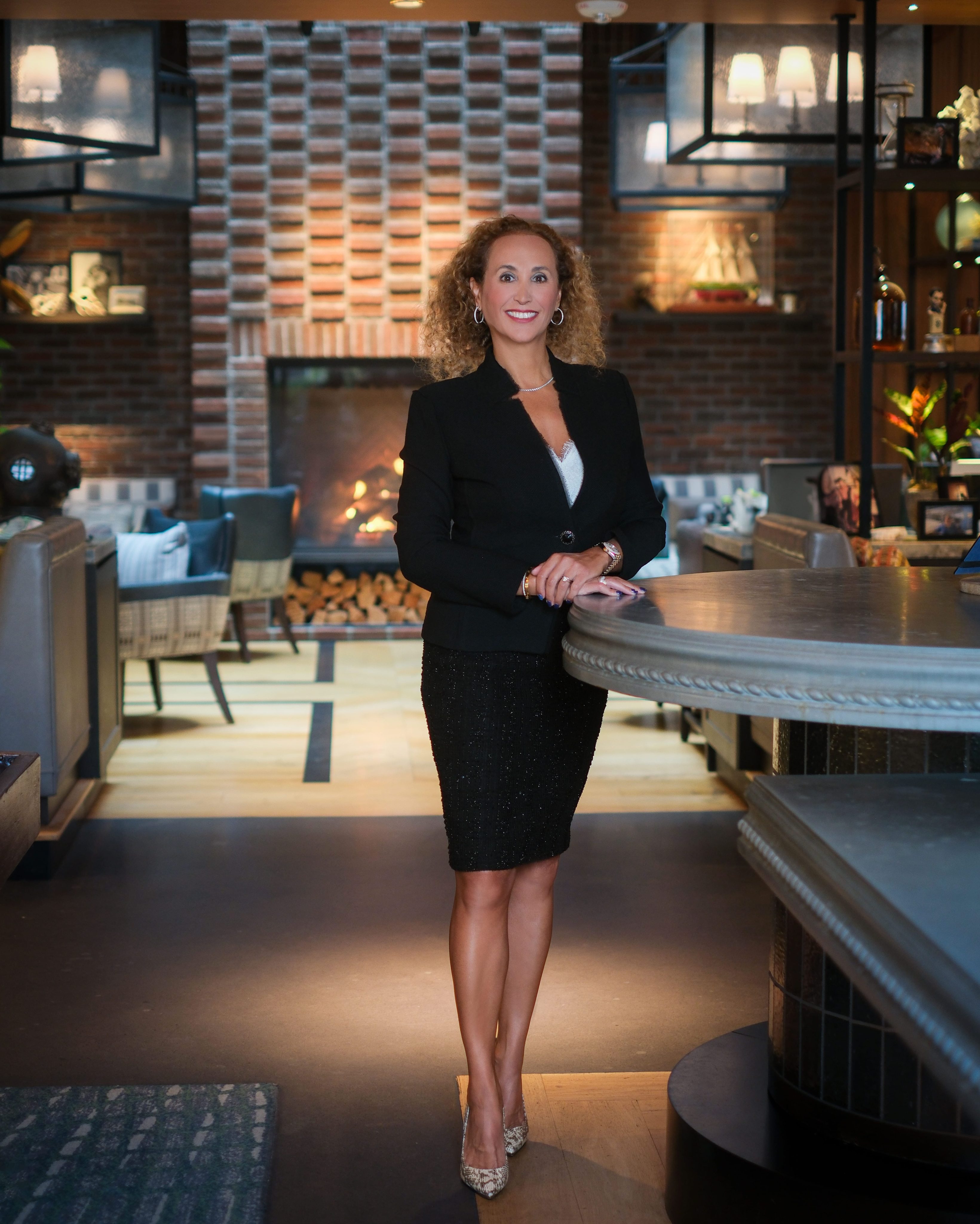
With over 20 years specializing in Orange County real estate, Paula Aragone brings hyper-local expertise, a certified specialist designation (CRS), and a reputation for discretion and results. She has guided hundreds of clients through every type of real estate transition — from luxury purchases to complex estate sales — always with white-glove service.
“Paula handled our mother’s estate with extraordinary care and professionalism. She understood the legal process, kept the family informed, and made an incredibly difficult time much easier.”
Get the Answers You Need Right Now
Free, confidential, no obligation. Paula specializes in exactly this — and she’ll handle everything with the care your family deserves.
Paula Aragone · DRE #01364746 · 949-415-4784 · Aragone & Associates | First Team Real Estate
Estate Expertise
What You Need to Know About Selling a Probate Property in Orange County
Inheriting a property — or being appointed to manage one as an executor or trustee — comes with significant responsibility. In California, real estate held in a decedent’s name that was not placed in a trust typically must pass through the probate court process before it can be sold. Understanding how that process works, what timelines to expect, and how to maximize the value of the estate asset is essential — and it starts with a professional property assessment.
How Probate Real Estate Works in California
California’s probate process is governed by the California Probate Code and administered through the Superior Court in the county where the deceased lived. When real property is part of a probate estate, the process generally follows these steps:
- Appointment of the executor or administrator: The court appoints a personal representative to manage the estate. If there is a will, this person is typically named as executor. Without a will, the court appoints an administrator.
- Property appraisal: A court-appointed probate referee conducts a statutory appraisal of the property’s fair market value. This is separate from — but complementary to — a real estate agent’s professional market analysis.
- Listing and marketing the property: Once authorized by the court, the executor can engage a licensed real estate agent to list and sell the property. The sale is typically subject to court confirmation.
- Court confirmation hearing: In most California probate sales, the court must confirm the sale. At the hearing, overbidding is permitted, meaning other buyers may bid against the accepted offer in the courtroom.
- Close of escrow: Once confirmed, the sale proceeds like a standard real estate transaction.
The Court Confirmation Process: What to Expect
The court confirmation requirement is one of the most misunderstood aspects of California probate sales. Here is what executors and heirs should know:
Timeline
A typical California probate real estate sale takes 6 to 12 months from listing to close — longer than a standard transaction due to court scheduling and notice requirements. Some estates with complex title issues or disputes take longer.
Overbidding Risk
At the confirmation hearing, any member of the public may overbid the accepted offer. The minimum overbid is typically the accepted price plus 5% plus $500. Buyers must be prepared for this possibility and have financing ready.
As-Is Sales
Probate properties are typically sold in as-is condition. The estate usually cannot make representations about the property’s history or condition — making pre-sale preparation guidance and accurate pricing critically important.
Independent Administration vs. Full Probate
California’s Independent Administration of Estates Act (IAEA) allows some estates to sell real property without court confirmation — a significantly faster and less expensive process. Whether an estate qualifies depends on the will, the heirs’ agreement, and the court’s authorization. Paula can help you understand which path applies to your situation and what it means for the sale timeline and process.
Why the Right Agent Matters in Probate
Not every real estate agent has experience with probate sales — and the differences are significant. Probate transactions involve court deadlines, specific documentation requirements, coordination with estate attorneys and the probate referee, and the unique dynamics of overbidding at confirmation hearings. An agent without this experience can inadvertently create delays, pricing errors, or procedural complications that cost the estate time and money.
Paula Aragone has handled probate and trust real estate throughout Orange County for over two decades. She works closely with estate attorneys, CPAs, and financial advisors to ensure the sale is handled correctly, efficiently, and with the care and discretion that families navigating a loss deserve. Request your free, confidential assessment above and she will be in touch within 24 hours.